
The organised efforts of governments, health systems, and communities to prevent substance-related harms, promote wellbeing, and improve population health outcomes. A public health approach focuses on prevention, early intervention, treatment, recovery support, and harm reduction, while also addressing the social, economic, and environmental factors that influence substance use. It relies on surveillance data, evidence-based interventions, policies, and cross-sector collaboration to reduce the overall burden of substance use disorders and promote healthier communities.
Public Health
Maltreatment and Marijuana Use
Is the maltreatment of children linked with marijuana use later in life? Are behavioural problems and tobacco and alcohol consumption during adolescence associated with smoking marijuana? These are questions that an Australian study...
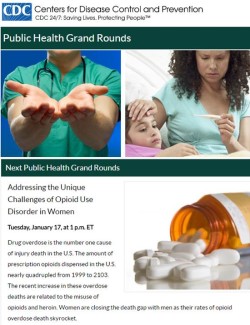
Webinar: Addressing the Unique Challenges of Opioid Use Disorder in Women
Deaths from drug overdoses are the number one cause of injury death in the U.S. Most of these deaths are related to the misuse of prescription opioids and heroin. While men were more likely than women to die of opioid overdose, the number of overdose deaths from opioids among women has increased substantially. Since 1999, women’s deaths have quadrupled from prescription painkiller overdose.
Consider the following:
Suicide and Substance Abuse
New research has found a significant link between suicide risk and simultaneous cocaine and alcohol consumption. The study examined the drug-taking habits of 874 participants hospitalised for displaying suicidal tendencies, ranging from...
Are Personality-Targeted Prevention Initiatives Successful?
Research has found that one’s personality is a useful predictor of drug and alcohol abuse. One notable programme that approaches substance prevention by focusing on personal characteristics is PreVenture. PreVenture has already been shown...
Returning from Rehab: What Are The Challenges of Re-Integration?
Residential ‘in-patient’ treatment for substance abuse – more commonly known as ‘rehab’ - is the favoured option among those wanting to recover from addiction. The rate of relapse within the first year following being discharged, however...
Are People Smoking Less and Less?
According to new findings published in the journal Tobacco Control, more than 53 million people in 88 countries have stopped smoking between 2008 – 2014 because of tobacco control measures. Statistically, this means that during the 4-year...
EMCDDA Updates on Best Practice
A new European Monitoring Centre for Drugs and Drug Addiction (EMCDDA) Best Practice report will be published in early 2017. It will take an in-depth look at substance use prevention in Europe. The report's stated aim is "not to rate...
OxyContin Goes Global — “We’re Only Just Getting Started”
The LA Times investigates the expansion of pharmaceutical companies internationally which are trying to sell highly addictive OxyContin, an opioid medications, and are utilizing entertainers and sports figures to enter markets around the...
Webinar "Incorporating Key Findings from the Surgeon General’s Report on Addiction into Your Practice"
January 5, 2017
3:00pm- 4:30pm EST
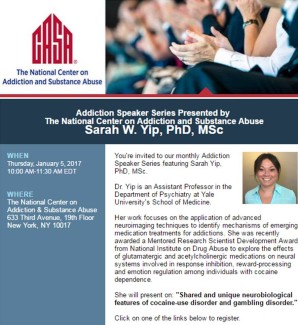
Webinar "Shared and Unique Neurobiological Features of Cocaine-Use Disorder and Gambling Disorder"
On Thursday, January 5, 2017, from 10:00 AM to 11:30 AM EDT (New York time), the National Center on Addiction and Substance Abuse (CASA) will host their monthly Addiction Speaker Series featuring Sarah W. Yip PhD, MSc.