
The legal and administrative systems used to manage the classification, production, distribution, prescribing, and availability of controlled substances. These regulatory frameworks aim to ensure that substances with psychoactive properties are safely produced, distributed, and used for legitimate medical and scientific purposes, while preventing diversion, misuse, and illegal distribution. Regulatory control may include drug scheduling, licensing of manufacturers and prescribers, prescription monitoring systems, import and export controls, and pharmaceutical supply oversight. These mechanisms help balance access to essential medicines with the protection of public health and safety.
Regulatory Control of Substances
Advancing Drug Policy, Mental Health, and Tobacco Control
From Stigma to Treatment: A Forum on Medical Cannabis Legalization in the Philippines The University of the Philippines Law Center Institute of Human Rights (UP IHR) hosted the public forum "From Stigma to Treatment: A Forum on Medical...
Drug production and precursors — EUDA ongoing activities
The European Union Drugs Agency (EUDA) continues to monitor illicit drug production and precursor chemicals across Europe to improve understanding of how drug markets are evolving. Production within the European Union is primarily focused...
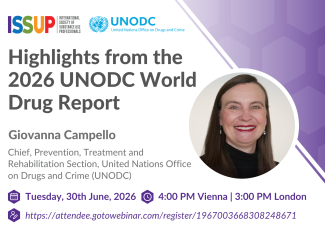
Highlights from the 2026 UNODC World Drug Report
This webinar highlighted key findings from the 2026 edition of the UNODC World Drug Report. The session was presented by Giovanna Campello, Chief of the Prevention, Treatment and Rehabilitation Section at the United Nations Office on Drugs and Crime (UNODC).
Highlights from the 2026 UNODC World Drug Report
Attendance
online
Join our upcoming webinar highlighting key findings from the 2026 edition of the UNODC World Drug Report. The session will be presented by Giovanna Campello, Chief of the Prevention, Treatment and Rehabilitation Section at the United Nations Office on Drugs and Crime (UNODC).
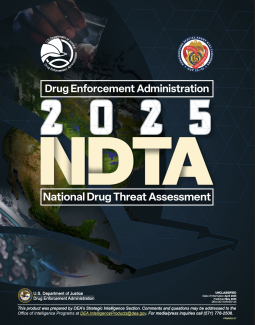
2025 National Drug Threat Assessment (NDTA) - Drug Enforcement Administration (DEA)
The U.S. Drug Enforcement Administration (DEA) has released its 2025 National Drug Threat Assessment (NDTA), providing an overview of the threats posed by illicit drugs and the transnational criminal organizations involved in their production and trafficking. The report highlights the continuing impact of synthetic drugs, particularly fentanyl and methamphetamine, on public health, public safety, and national security.
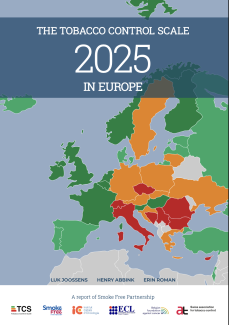
The Tobacco Control Scale 2025 in Europe
The Tobacco Control Scale 2025 shows that progress in tobacco control across Europe has slowed, with more countries recording lower scores than in previous years. Key reasons include the failure to regulate heated tobacco products in the same way as cigarettes and the lack of adjustments to tobacco taxes and prices to keep pace with inflation.
NEW Security Document Examination module in the UN Toolkit on Synthetic Drugs
UNODC has launched a new Security Document Examination module within the UN Toolkit on Synthetic Drugs, developed in collaboration with the UNODC Laboratory and Scientific Services. The module aims to help law enforcement, border control...
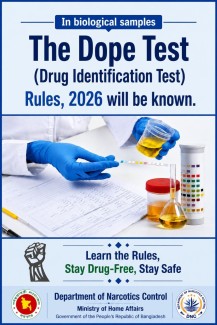
The Dope Test
Understanding Drug Testing What Is a Drug Test? A drug test is the scientific analysis of biological samples to determine whether narcotic drugs, psychoactive substances, or their metabolites are present in the body. Samples may include...
EU controls nine drug precursors following first EUDA assessments
The European Commission has introduced new controls on nine high-risk chemical precursors used in illicit drug production under Delegated Regulation (EU) 2026/314. Most of these substances are linked to synthetic cathinones, while one is...
Leveraging National Surveillance Networks for Local Action and Collective Impact
Attendance
online
Featuring: Dr. Samantha King, CCSA Research and Policy Analyst