Populations

Distinct groups of people within a society who share certain characteristics such as age, gender, geographic location, socioeconomic status, cultural background, or exposure to particular risk factors that may influence patterns of substance use, vulnerability to substance use disorders, and access to services. In the context of substance use systems, identifying and understanding different populations helps guide the design of prevention, treatment, recovery, and policy responses that are appropriate, equitable, and responsive to specific needs. Examples may include youth, women, people experiencing homelessness, individuals in the criminal justice system, or communities affected by specific social or economic conditions. 
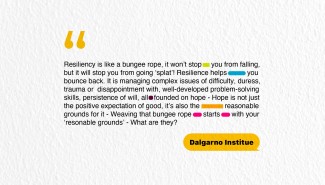
World Resiliency Day 26th - 30th of June 2024

Website
 - 
WORLD RESILIENCY WEEK - 2024 IT’S TIME TO CHANGE THE VIEW – IT’S TIME FOR A NEW LENS. Resilience H.E.R.O.E.S are the New Champs of the community. If building #resilient communities – if proactive prevention and demand reduction are the...
Bouncing Back

Increasing Your Effectiveness in Working with LGBTQ+ Populations

Event Date
 - 
Online
- Global -

This is a beginner friendly, data focused training that covers LGBTQ+ identity, outcomes, and increasing patient engagement in services. The training will give participants a broad understanding of LGBTQ+ culture, demographic terms, the data on population experiences, and tools that can be used in patient care and within an organization as a whole.