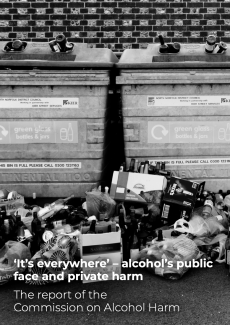
The laws, regulations, strategies, and governance frameworks that guide how governments and institutions address substance use, substance use disorders, and illicit drug trafficking. These policies shape coordinated responses across prevention, treatment, recovery support, public health, regulatory control, and law enforcement. Effective substance use policies aim to reduce health and social harms, ensure access to prevention and treatment services, regulate controlled substances, and disrupt illicit drug markets. They are typically informed by scientific evidence, public health principles, and cross-sector collaboration to promote safer and healthier communities.
Policy
Current Alcohol Labelling Practice in Europe
The Rapidly Changing Composition of the World's Drug Supply and Its Effects on High-Risk for COVID-19
Alcohol Change UK Grants Programme & Research Strategy
Protecting Those That Protect Us
The Cost of Opioid Use to Australia
EUSPR Early Careers Forum Webinar
Policy and evidence- more than a marriage of convenience.
Researchers are increasingly expected to show that their work is policy relevant. What does that meant? What else are researchers competing with? Are there any rules that will help to be more sure that evidence based results catches the eye of policy makers?
This session will give you a realistic picture of:
Consultation on "Addressing Substance Use and Substance Use Disorders in Humanitarian and Relief Settings"
Alcohol Use in Times of the COVID-19 Virus
SPR 2020 Virtual Conference
As the premiere prevention research conference, the SPR Annual Meeting provides a unique opportunity to advance the vision of SPR by providing a centrally integrated forum for the exchange of new concepts, methods, and results from prevention research and related public health fields; and by providing a forum for the communication between scientists, public policy leaders and practitioners concerning the implementation of evidence-based preven