
The range of medical, psychological, and social services designed to help individuals reduce or stop substance use and manage substance use disorders. Treatment may include assessment, counselling and behavioural therapies, medication-assisted treatment, withdrawal management, and support for co-occurring mental or physical health conditions. Effective treatment is typically person-centred and evidence-informed, and may be provided in outpatient, community, or residential settings. Treatment aims to improve health and functioning, reduce substance-related harms, and support individuals in moving toward recovery and long-term wellbeing.

Treatment
Building Capacity in Tobacco Control by Establishing the Eastern Europe Nurses’ Center of Excellence for Tobacco Control
ABSTRACT Introduction: Properly educated nurses delivering evidence-based tobacco dependence treatment could contribute to improving health and reducing regional disparities in tobacco-related disease and death in Central and Eastern Europe...
Treatment Experiences with Norwegian Health Care among Immigrant Men Living with Co-Occurring Substance Use- and Mental Health Disorders
Abstract Immigrants are considered at risk of psychological distress and therefore involvement in substance abuse, due to a variety of pre- and post-migration factors. Further, there is lower treatment engagement, a higher dropout rate, and...
Motivations for Treatment Engagement in a Residential Substance Use Disorder Treatment Program: A Qualitative Study
Abstract Aims: The aim of this study was to explore perspectives on motivations for treatment engagement from substance use disorder (SUD) clients in a long-term residential rehabilitation program. Design and Methods: A convenience sample...
MCA Alcohol & Covid Webinar 11 November 2020
The MCA Alcohol and Covid Free Webinar took place at 12.30pm on Wednesday 11 November 2020 in the UK. The next MCA Annual Symposium is on the theme of 'Interventions & Recovery' on 17 November 2021 at the British Medical Association, London...
"International standards of treatment of disorders related to the use of narcotic substances"
"International standards of treatment of disorders related to the use of narcotic substances" (hereinafter referred to as the Standards) is the result of joint work of the UNC and WHO aimed at providing support to member states in the...
Digital Inclusion For All: Medici Final Conference
The Medici Final Conference showcases work on digital inclusion at the grassroots level. It will present case studies of good practices that directly tackle digital exclusion across the 27 EU member states and the UK. It will present the projects’ main results and will also explore prospects for the sustainability of the MEDICI platform in the future.
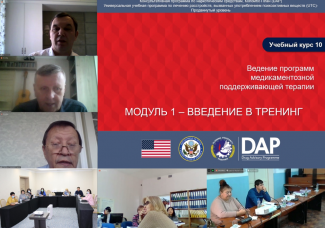
National trainer teams from Central Asia level up in the Universal Treatment Curriculum for Substance Use Disorders with support from UNODC
Online regional training for trainers (ToT) on Course 10 “Managing Medication-Assisted Treatment Programs” (30 November – 3 December 2020) of the Advanced Level of the Universal Treatment Curriculum for Substance Use Disorders (UTC training...
England’s Health Care Gatekeeper Endorses Mutual Aid. Highlight from Effectiveness Bank Alcohol Treatment Matrix Cell E4
ENGLAND’S HEALTH CARE GATEKEEPER ENDORSES MUTUAL AID Taking a leap away from its comfort zone, England’s gatekeeper to the public provision of health and social care embraced non-professional and unregulated interventions in the form of...
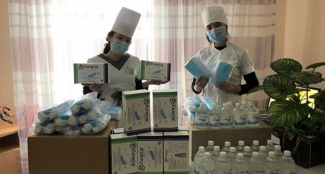
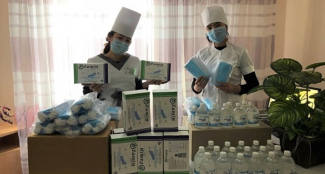
UNODC helps protect front-line staff at HIV treatment and prevention facilities in Uzbekistan during COVID-19
As covid-19 becomes the "new reality" and the number of positive cases, although not as high as the last, we must remain vigilant, especially when it comes to those who are most vulnerable to possible negative consequences. The statement we...
UNODC helps to protect the frontline staff of drug treatment and HIV prevention facilities in Uzbekistan during COVID-19
As COVID-19 becomes a “new norm” and the number of positive cases is not as high as it used to be, we still need to stay alert especially when it comes to those who are the most vulnerable to the possible negative consequences. The...