
Recovery Support

The range of services, programmes, and community resources that help individuals sustain recovery and improve their health, wellbeing, and quality of life after or alongside treatment for substance use disorders. These supports may include peer support, recovery coaching, mutual-help groups, housing assistance, employment services, family support, and community-based recovery programmes. Recovery support recognises that recovery is an ongoing process and that long-term wellbeing often requires continued social, practical, and emotional support. By strengthening personal resilience, social connections, and opportunities for reintegration, recovery support plays an important role in comprehensive responses to substance use. 
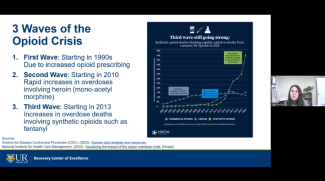
Embracing Recovery-Oriented Harm Reduction in Medication Assisted Treatment

Event Date
 - 
Online
Description

Medication-assisted treatment (MAT) is widely accepted as the most effective form of treatment for individuals with opioid use disorder. MAT options have offered a pathway to recovery for many individuals who have found sustained, long-term recovery with the support of these medications and services. Despite this, MAT is often categorized as a form of harm reduction.

Covering Substance Use and Addiction Responsibly

Website
 - 
Stories about substance use and addiction can be among the thorniest that health and science reporters encounter. This topic carries a long history of marginalizing the people most directly affected. In addition, deeply ingrained societal misconceptions about substance use make it difficult to separate fact from fiction

Character Strengths and Recovery from Addiction

Event Date
 - 
Nairobi
Kenya
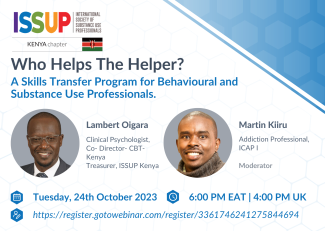
ISSUP Kenya would like to invite you to their upcoming Webinar on Insights from Positive Psychology and Psychology of Religion as applied to treatment and recovery from addiction.

Rome Consensus 2.0 Summit

Event Date
 - 
Rome
Italy
Join the upcoming Rome Consensus 2.0 Summit taking place from 2-5 May, 2023. The Summit is a unique opportunity to gather and engage in discussions with leading experts, professionals, activists, and Red Cross and Red Crescent leaders in a participatory meeting designed based on participants' national and international experiences.
Rome Consensus 2.0 humanitarian drug policy harm reduction