رفتن به محتوای اصلی

User account menu

  • ورود

زبان‌ها

  • English
  • Français
  • Português
  • Español
  • العربية
  • Pусский

پیمایدنۀ اصلی

  • About ISSUP

    • 10 Years of ISSUP
    • ISSUP Rationale
    • Membership
      • Membership Criteria
      • Code of Ethics
      • Who is ISSUP for?
    • News
      • Newsletters
    • ISSUP Events
    • International Partners
    • Governance
    • ISSUP Scientific Council
    • Friends of ISSUP (USA)
    • ISSUP Awards
      • Evidence-Based Award
      • Local Initiative Award
      • Services Award
      • Excellence in Training Provision
      • Outstanding Contribution to ISSUP Award
    • In Memoriam
    • Acknowledgements
    • ISSUP Website Guides
    • Contact ISSUP
    • FAQs - Frequently Asked Questions
  • Professional Development

    • Online Learning Hub
      • How to Register
      • UTC Self Led Courses
    • Universal Curricula (UC)
      • Currículo de Prevenção Universal
      • Currículo de Tratamento Universal
      • Universal Recovery Curriculum
      • Access UPC & UTC
      • Training Providers
      • Becoming a Training Provider
    • Resources
      • Glossary
      • The ISSUP Exchange
      • ISSUP Webinars
      • INEP Plus
      • Prevention Insights Video Series
      • Prevention Lists
      • Recovery Support
      • Quality in Treatment
      • ICAP certification
      • HealthEKnowledge
      • WiRED International
      • SPR-ISSUP Prevention Workbook
    • Jobs and Opportunities
  • Knowledge Share

    • Search in the Knowledge Share
    • ADDICTOLOGY Journal
      • Latest Issue
  • National Chapters

    • Africa
      • ISSUP Botswana
      • ISSUP Côte d’Ivoire
      • ISSUP Egypt
      • ISSUP Ethiopia
      • ISSUP The Gambia
      • ISSUP Ghana
      • ISSUP Kenya
      • ISSUP Mauritius
      • ISSUP Morocco
      • ISSUP Namibia
      • ISSUP Nigeria
      • ISSUP South Africa
      • ISSUP Tanzania
      • ISSUP Togo
      • ISSUP Uganda
      • ISSUP Zambia
    • The Americas
      • ISSUP Argentina
      • ISSUP The Bahamas
      • ISSUP Brazil
      • ISSUP Canada
      • ISSUP Chile
      • ISSUP Colombia
      • ISSUP Ecuador
      • ISSUP El Salvador
      • ISSUP Guatemala
      • ISSUP Mexico
      • ISSUP Panama
      • ISSUP Paraguay
      • ISSUP Peru
      • ISSUP United States
    • Asia
      • ISSUP Afghanistan
      • ISSUP Bangladesh
      • ISSUP India
      • ISSUP Indonesia
      • ISSUP Kazakhstan
      • ISSUP Korea
      • ISSUP Lebanon
      • ISSUP Malaysia
      • ISSUP in Pakistan
      • ISSUP Philippines
      • ISSUP Qatar
      • ISSUP Singapore
      • ISSUP Sri Lanka
      • ISSUP Thailand
      • ISSUP Türkiye
      • ISSUP United Arab Emirates
      • ISSUP Uzbekistan
      • ISSUP Vietnam
    • Europe
      • ISSUP Czech Republic
      • ISSUP Greece
      • ISSUP Italy
      • ISSUP Spain
      • ISSUP Ukraine
      • ISSUP United Kingdom
    • Oceania
      • ISSUP Fiji
    • How to Become a National Chapter
    • ISSUP National Chapters' Advisory Committee
  • Events

    • Search through all events
    • ISSUP Events
      • Indonesia 2025
      • Thessaloniki 2024
      • Buenos Aires 2023
      • Manila 2022
      • Abu Dhabi 2022
      • Virtual 2021
      • Africa 2020 (Virtual)
      • Vienna 2019
      • Nairobi 2018
      • Cancún 2017
      • Campinas 2016
      • Bangkok 2015
  • Networks

    • A–Z
  • My ISSUP

    • Member Directory
    • Apply for membership

Treatment Research

Treatment Research

Moderators

Profile picture for user livia.edegger
Livia
ISSUP
Profile picture for user MoralesBA
Brian Morales
U.S. Department of State
Discussionsفایل‌ها‌تصاویرVideosواصلیهاEventsKnowledge Shareهمه
Rasha Abi Hana

The prevalence and pattern of cannabis use among patients attending a methadone treatment clinic in Nairobi, Kenya

Shared by Rasha Abi Hana - 28 February 2022
Format
Scientific article
Published by / Citation
Ngarachu, E.W., Kiburi, S.K., Owiti, F.R. et al. The prevalence and pattern of cannabis use among patients attending a methadone treatment clinic in Nairobi, Kenya. Subst Abuse Treat Prev Policy 17, 12 (2022). https://doi.org/10.1186/s13011-022-00437-7

Cannabis is the most widely used illegal substance in the world, with a global prevalence of 4% among people aged 15 to 64 years and a recent trend of growing use. Cannabis usage can have negative health consequences, such as impaired neurodevelopment, an increased risk of addiction and other drug abuse, cognitive impairment, low educational attainment, and an increased risk of mental disease, such as psychosis, depression, and anxiety disorders. Cannabis usage during methadone therapy may have a negative influence on the success of the treatment. The purpose of this study was to find out how...

Translations
Español
العربية
Pусский
Italiano
Urdu
  • Read more about The prevalence and pattern of cannabis use among patients attending a methadone treatment clinic in Nairobi, Kenya
  • ISSUP members can join Networks to comment – Sign in or become a member
James Harvey

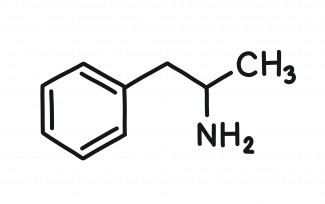
Risk of psychosis in illicit amphetamine users: a 10 year retrospective cohort study

Shared by James Harvey (ISSUP staff) - 15 February 2022
Amphetamine Psychosis ISSUP
Format
Scientific article
Published by / Citation
Huang C, Tsai I, Lee CWRisk of psychosis in illicit amphetamine users: a 10 year retrospective cohort studyEvidence-Based Mental Health Published Online First: 14 February 2022. doi: 10.1136/ebmental-2021-300300
The illicit use of amphetamines, the stimulants commonly known as ‘speed’, is linked to a 5-fold heightened risk of psychosis, finds a 10 year study published online in the journal Evidence-Based Mental Health.
Translations
Français
Español
Українська
Italiano
Urdu
  • Read more about Risk of psychosis in illicit amphetamine users: a 10 year retrospective cohort study
  • ISSUP members can join Networks to comment – Sign in or become a member
Rasha Abi Hana

Risks and Harms Associated with the Nonmedical Use of Benzodiazepines in the Unregulated Drug Supply in Canada

Shared by Rasha Abi Hana - 4 February 2022
Format
Report

Summary

Substance use risks are significantly higher for people who obtain drugs on the unregulated market as there is no quality control and drug contents are unpredictable. This lack of predictability has increased during the COVID-19 pandemic as supply chains have been disrupted by border closures and safety measures. This leaves people who use drugs (PWUD) increasingly susceptible to consuming adulterated or unfamiliar substances. In some regions, COVID safety measures have also reduced capacity and access to services for PWUD, making it more difficult to prevent and address the health...

Translations
العربية
Pусский
Urdu
  • Read more about Risks and Harms Associated with the Nonmedical Use of Benzodiazepines in the Unregulated Drug Supply in Canada
  • ISSUP members can join Networks to comment – Sign in or become a member
Rasha Abi Hana

The Adverse Childhood Experiences Concept (ACE) in a Research Sample of Imprisoned Children of Addicted Parents

Shared by Rasha Abi Hana - 4 January 2022
Format
Scientific article
Published by / Citation
Juhásová, A., Pavelová, Ľ., & Lulei, M. (2021). The Adverse Childhood Experiences concept (ACE) in a research sample of imprisoned children of addicted parents. Adiktologie, 21 (3), 139–150. https://doi.org/10.35198/01-2021-003-0003

INTRODUCTION

The ACE (Adverse Childhood Experiences) concept is based on the results of an American population-based cohort study published in the American Journal of Preventive Medicine in 1998. ACE is classified into three groups: abuse, neglect, and household challenges. The main goal of our work is the identification and description of factors affecting the psychosocial development of an individual in a family with a parent with a long-term addiction in relation to the development of a criminal career.

METHODS

The main research method was represented by the life stories of the...

AddictologyIssue 3/2021
Translations
Ελληνικά
Italiano
Urdu
  • Read more about The Adverse Childhood Experiences Concept (ACE) in a Research Sample of Imprisoned Children of Addicted Parents
  • ISSUP members can join Networks to comment – Sign in or become a member
Rasha Abi Hana

Translational Research on the Effects of Treatment with Cannabidiol in Addictions

Shared by Rasha Abi Hana - 4 January 2022
Format
Scientific article
Published by / Citation
| Šulcová, A. (2021). Translational research on the effects of treatment with cannabidiol in addictions. Adiktologie, 21 (3), 161–165. https://doi.org/10.35198/01-2021-003-0001

INTRODUCTION:

Addictions, known as chronic (recurrent) behavioural disorders reinforced by a pleasant feeling (“reward”), are shown to be mediated by activation of the central dopaminergic neuronal pathway of the middle brain (“Reward Pathway”) with deregulations proven in the dorsal striatum, globus pallidus, nucleus accumbens, hippocampus, thalamus, amygdala, orbitofrontal, and prefrontal cortex. These neurological changes alter behaviour, judgment, memory, learning, and stress management and thus addiction was called “Brain Disease” (Uhl et al., 2019). However, in addictions, other vital...

AddictologyIssue 3/2021
Translations
Português
Español
Українська
Italiano
Urdu
  • Read more about Translational Research on the Effects of Treatment with Cannabidiol in Addictions
  • ISSUP members can join Networks to comment – Sign in or become a member
James Harvey

درمان مبتنی بر اینترنت در مقابل درمان چهره به چهره برای اختلال استفاده از الکل، یک آزمایش تصادفی کنترل غیر حقی.

Shared by James Harvey (ISSUP staff) - 21 دسامبر 2021
Format
Scientific article
Published by / Citation
Johansson, M., Sinadinovic, K., Gajecki, M., Lindner, P., Berman, A. H., Hermansson, U., & Andréasson, S. (2020). Internet-based therapy versus face-to-face therapy for alcohol use disorder, a randomized controlled non-inferiority trial. Addiction, [Epub ahead of print]. Doi: 10.1111/add.15270
از آنجا که ما بسیار آنلاین نقل مکان کرد ، در اینجا یک آزمایش بالینی است که مقایسه تحویل آنلاین از CBT به چهره به چهره CBT و نتایج مشابه یافت می شود.
Translations
English
Français
Português
Українська
Pусский
Pashto
Italiano
Urdu
  • Read more about درمان مبتنی بر اینترنت در مقابل درمان چهره به چهره برای اختلال استفاده از الکل، یک آزمایش تصادفی کنترل غیر حقی.
  • ISSUP members can join Networks to comment – Sign in or become a member
James Harvey

استراتژی های اتخاذ شده توسط امکانات اعتیاد در طول پاندیمیک ویروس کرونا برای حمایت از درمان برای افراد در بهبودی و یا مبارزه با اختلال مصرف مواد: بررسی Scoping

Shared by James Harvey (ISSUP staff) - 29 نوامبر 2021
Format
Scientific article
Published by / Citation
de Vargas, D.; Pereira, C.F.; Volpato, R.J.; Lima, A.V.C.; da Silva Ferreira, R.; de Oliveira, S.R.; Aguilar, T.F. Strategies Adopted by Addiction Facilities during the Coronavirus Pandemic to Support Treatment for Individuals in Recovery or Struggling with a Substance Use Disorder: A Scoping Review. Int. J. Environ. Res. Public Health 2021, 18, 12094. https://doi.org/10.3390/ijerph182212094
هدف از این بررسی شناسایی و سنتز استراتژی ها و اقدامات اتخاذ شده توسط امکانات اعتیاد برای حمایت و حفظ درمان در طول بیماری کروناویروس 2019 (COVID-19) همه گیر است.
Translations
English
Ελληνικά
Italiano
Urdu
  • Read more about استراتژی های اتخاذ شده توسط امکانات اعتیاد در طول پاندیمیک ویروس کرونا برای حمایت از درمان برای افراد در بهبودی و یا مبارزه با اختلال مصرف مواد: بررسی Scoping
  • ISSUP members can join Networks to comment – Sign in or become a member
Jose Luis Vazquez Martinez

Martha Patricia Romero Mendoza: Género y Adicciones. Oportunidades de investigación e intervención

Jose Luis Vazquez Martinez - 11 November 2021
Participación de la Dra. Martha Patricia Romero Mendoza, Investigadora del Instituto Nacional de Psiquiatría José Ramón de la Fuente Muñiz en el X Foro de Investigación-Acción en Prevención del Consumo de Drogas el 29 de octubre de 2021
  • Read more about Martha Patricia Romero Mendoza: Género y Adicciones. Oportunidades de investigación e intervención
  • ISSUP members can join Networks to comment – Sign in or become a member
James Harvey

توضیح کارشناس به عنوان یک ابزار تحقیقاتی

Shared by James Harvey (ISSUP staff) - 27 اکتبر 2021
ISSUP ISAM addiction medicine Webinar
Event Date
11 نوامبر 2021
Location:
Washington, D.C.
United States
هدف از این وبینار بحث در مورد پروژه بررسی جهانی 2020 ISAM، بررسی ادبیات در نظرسنجی های متخصص و پروژه های نمونه استیلا متخصص، شناسایی مناطق برای بهبود، و طرح جهت های بالقوه آینده شبکه بررسی جهانی ISAM است.
Translations
English
Français
Português
Español
Українська
Bahasa Indonesia
Česky
Italiano
  • Read more about توضیح کارشناس به عنوان یک ابزار تحقیقاتی
  • ISSUP members can join Networks to comment – Sign in or become a member
James Harvey

Mental Health of Youth and Substance Use: Mood Disorders in Children and Adolescents

Shared by James Harvey (ISSUP staff) - 22 October 2021
Format
ISSUP Webinar
ISSUP Ukraine are pleased to present the Second Webinar in their Three-Part Series on 'Mental Health of Youth and Substance'. The Second Webinar will focus specifically on Mood Disorders in Children and Adolescents.
Translations
Español
Ελληνικά
Italiano
  • Read more about Mental Health of Youth and Substance Use: Mood Disorders in Children and Adolescents
  • ISSUP members can join Networks to comment – Sign in or become a member
Joanna Travis-Roberts

مهلت ارسال به 31 اکتبر تمدید شد!

Shared by Joanna Travis-Roberts (ISSUP staff) - 1 اکتبر 2021

Abstract submission deadline extended!مهلت ارسال به طور کلی تمدید شد! ارسالی های جدید برای رویداد ما در حال وقوع آنلاین و در فرد در ابوظبی: 11-16 مه, 2022 شده است به 31 اکتبر تمدید! اطلاعات بیشتر در مورد این رویداد و ارسال abstract خود را: issup.net/event2022

شرکای رویداد: آی سی دی دی آر، آی ان ال و ان آر سی

سازمان دیده بان اعلام ما در اینجا :) 

Translations
English
العربية
Қазақ
  • Read more about مهلت ارسال به 31 اکتبر تمدید شد!
  • ISSUP members can join Networks to comment – Sign in or become a member
Rasha Abi Hana

مداخلات روانی اجتماعی برای بهبود سلامت روانی، اجتماعی و جسمی در اعضای خانواده تحت تاثیر مصرف مواد یکی از بستگان بزرگسال: جستجو و مرور سیستماتیک شواهد

Shared by Rasha Abi Hana - 24 سپتامبر 2021
Format
Scientific article
Published by / Citation
McGovern, R., Smart, D., Alderson, H., Araújo-Soares, V., Brown, J., Buykx, P., Evans, V., Fleming, K., Hickman, M., Macleod, J., Meier, P., & Kaner, E. (2021). Psychosocial Interventions to Improve Psychological, Social and Physical Wellbeing in Family Members Affected by an Adult Relative's Substance Use: A Systematic Search and Review of the Evidence. International journal of environmental research and public health, 18(4), 1793. https://doi.org/10.3390/ijerph18041793

استفاده از الکول و مواد مخدر یک نگرانی قابل توجه بهداشت عمومی است و در خانواده ها وجود دارد. تصور می شود که بیش از 100 میلیون نفر تحت تاثیر مصرف مواد یکی از بستگان نزدیک قرار دارند و بسیاری از آنها پیامدهای منفی بهداشتی و اجتماعی را تجربه می کنند. استرس زاهای اضافی، مانند درگیری بین فردی، مسائل مالی، بار مراقبت، و درگیری های خانوادگی، اغلب تاثیر چند بعدی استفاده از مواد را افزایش می دهد. علاوه بر این، شواهدی از ارتباط بین مصرف مواد و خشونت شریک صمیمی و سوء استفاده، هم در مجرم و هم در قربانی، و همچنین ارتباط بین مصرف شدید مواد و شدت خشونت وجود دارد. کودکان به ویژه به عواقب مصرف مواد یکی از...

Translations
English
Pashto
  • Read more about مداخلات روانی اجتماعی برای بهبود سلامت روانی، اجتماعی و جسمی در اعضای خانواده تحت تاثیر مصرف مواد یکی از بستگان بزرگسال: جستجو و مرور سیستماتیک شواهد
  • ISSUP members can join Networks to comment – Sign in or become a member
James Harvey

به اشتراک گذاشتن کار خود را در کارگاه جهانی ما 2022 در ابوظبی

Shared by James Harvey (ISSUP staff) - 9 سپتامبر 2021
ISSUP
ICUDDR، INL، ISSUP و NRC در حال همکاری برای میزبانی یک رویداد جهانی در فرد و آنلاین از 11 - 16 مه 2022 در ابوظبی، امارات متحده عربی است. ما از ارسالی های آبستره برای ارائه های فرعی و پوستر در این رویداد استقبال می کنیم. مهلت تمدید شد!
Translations
English
Español
Қазақ
Pashto
  • Read more about به اشتراک گذاشتن کار خود را در کارگاه جهانی ما 2022 در ابوظبی
  • ISSUP members can join Networks to comment – Sign in or become a member
Rasha Abi Hana

Reprint of: Biotechnologies and the future of opioid addiction treatments

Shared by Rasha Abi Hana - 20 August 2021
Format
Scientific article
Published by / Citation
Daniel Wolfe, Roxanne Saucier, Reprint of: Biotechnologies and the future of opioid addiction treatments, International Journal of Drug Policy, Volume 94, 2021, 103273, ISSN 0955-3959, https://doi.org/10.1016/j.drugpo.2021.103273.

Biotechnological treatment, including addiction treatment, is the way of the future. Researchers and pharmaceutical companies praise depot injections, agonist/antagonist implants, deep brain stimulation, and hapten conjugate vaccines as medicine's greatest chance for reducing illegal usage, reducing the danger of overdose and severe withdrawal, and preventing drug diversion to criminal markets.

Old conflicts around ideas of addiction and treatment are revealed by marketing and the use of new technologies: between medical condition and will disorder, between criminal justice and health, and...

Translations
Bahasa Indonesia
  • Read more about Reprint of: Biotechnologies and the future of opioid addiction treatments
  • ISSUP members can join Networks to comment – Sign in or become a member
Rasha Abi Hana

Identifying content-based engagement patterns in a smoking cessation website and associations with user characteristics and cessation outcomes: a sequence and cluster analysis

Shared by Rasha Abi Hana - 20 August 2021
Format
Scientific article
Published by / Citation
Olga Perski, PhD, Noreen L Watson, PhD, Kristin E Mull, MS, Jonathan B Bricker, PhD, Identifying Content-Based Engagement Patterns in a Smoking Cessation Website and Associations With User Characteristics and Cessation Outcomes: A Sequence and Cluster Analysis, Nicotine & Tobacco Research, Volume 23, Issue 7, July 2021, Pages 1103–1112, https://doi.org/10.1093/ntr/ntab008

Tobacco smoking is the greatest cause of sickness and early death worldwide, with 8 million people dying each year from a smoking-related condition. The use of pharmaceutical or behavioural assistance improves smokers' chances of quitting; nonetheless, the majority of smoking cessation efforts are unassisted.

Engagement with web-based smoking cessation interventions is a strong predictor of data retention in clinical trials and successful behaviour change.

WebQuit is a web-delivered smoking intervention based on Acceptance and Commitment Therapy (ACT), which suggests that psychological...

Translations
Pусский
  • Read more about Identifying content-based engagement patterns in a smoking cessation website and associations with user characteristics and cessation outcomes: a sequence and cluster analysis
  • ISSUP members can join Networks to comment – Sign in or become a member
Edie

Baseline executive functions and receiving cognitive rehabilitation can predict treatment response in people with opioid use disorder

Shared by Edie - 9 August 2021
Format
Book
Published by / Citation
Journal of Substance Abuse Treatment

Abstract

Background

Impaired cognitive functions, particularly executive function, predict poor treatment success in people with substance use disorders. The current study investigated the effect of receiving adjunct cognitive rehabilitation and baseline executive function (EF) measures on treatment response among people with opioid use disorder (OUD).

Method

The analysis sample consisted of 113 participants with OUD who were discharged from a compulsory court-mandated methadone maintenance treatment (MMT) and followed for 3 months. We used the Backward digit span/Auditory verbal learning...

Translations
Қазақ
  • Read more about Baseline executive functions and receiving cognitive rehabilitation can predict treatment response in people with opioid use disorder
  • ISSUP members can join Networks to comment – Sign in or become a member
Rasha Abi Hana

High-dose buprenorphine induction in the emergency department for treatment of opioid use disorder

Shared by Rasha Abi Hana - 22 July 2021
Format
Scientific article
Published by / Citation
Herring AA, Vosooghi AA, Luftig J, et al. High-Dose Buprenorphine Induction in the Emergency Department for Treatment of Opioid Use Disorder. JAMA Netw Open. 2021;4(7):e2117128. doi:10.1001/jamanetworkopen.2021.17128

In response to the rising efficacy of the illicit opioid drug supply and often observed delays in access to follow-up therapy, emergency departments (EDs) occasionally utilize a high-dose buprenorphine induction method for the treatment of opioid use disorder (OUD). The objective of this study is to investigate the safety and tolerability of high-dose (>12 mg) buprenorphine induction for patients with OUD presenting to an ED.

Data were manually extracted from electronic health records for all ED patients with OUD treated with buprenorphine at a single, urban, safety-net hospital in Oakland...

Translations
Urdu
  • Read more about High-dose buprenorphine induction in the emergency department for treatment of opioid use disorder
  • ISSUP members can join Networks to comment – Sign in or become a member
Rasha Abi Hana

Reporting treatment fidelity in behavioral tobacco treatment clinical trials: scoping review and measurement recommendations

Shared by Rasha Abi Hana - 3 July 2021
Format
Scientific article
Published by / Citation
Ramzi G Salloum, Alana M Rojewski, Megan E Piper, Janice A Blalock, Belinda Borrelli, Lindsay M Boyce, Jennifer A Minnix, Omara Dogar, Rachel L Tomko, Douglas E Jorenby, Chris Kotsen, Jamie S Ostroff, Treatment Fidelity Workgroup of the SRNT Treatment Network, Reporting Treatment Fidelity in Behavioral Tobacco Treatment Clinical Trials: Scoping Review and Measurement Recommendations, Nicotine & Tobacco Research, 2021;, ntab140, https://doi.org/10.1093/ntr/ntab140

Abstract

Introduction:

Adoption of rigorous standards for reporting treatment fidelity is essential for advancing discovery, validation, and implementation of behavioral treatments. Whereas the NIH Behavior Change Consortium (BCC) developed an assessment tool to assess quality of reporting and monitoring of treatment fidelity across health behavior change interventions, it has not yet been applied specifically to treatment fidelity in behavioral tobacco treatment trials.

Methods:

We conducted a scoping review of peer-reviewed, clinical trials of behavioral adult tobacco treatment...

Translations
Bahasa Indonesia
  • Read more about Reporting treatment fidelity in behavioral tobacco treatment clinical trials: scoping review and measurement recommendations
  • ISSUP members can join Networks to comment – Sign in or become a member
Rasha Abi Hana

Chronic care treatment for smoking cessation in patients with serious mental illness: a pilot randomized trial

Shared by Rasha Abi Hana - 28 June 2021
Format
Scientific article
Published by / Citation
Busch, A.M., Nederhoff, D.M., Dunsiger, S.I. et al. Chronic care treatment for smoking cessation in patients with serious mental illness: a pilot randomized trial. BMC Psychiatry 21, 104 (2021). https://doi.org/10.1186/s12888-021-03113-5

Background:

Rates of smoking among those with serious mental illness (SMI) are two to three times higher than for the general population. Smoking is rarely addressed in mental health settings. Innovative outreach and treatment strategies are needed to address these disparities. The current study is a pilot study of the feasibility and acceptability of a chronic care model of tobacco cessation treatment implemented in outpatient psychiatry clinics.

Methods:

Participants were recruited from two outpatient psychiatric clinics and randomly assigned to intervention (counseling and nicotine...

Translations
Pashto
Italiano
  • Read more about Chronic care treatment for smoking cessation in patients with serious mental illness: a pilot randomized trial
  • ISSUP members can join Networks to comment – Sign in or become a member
Rasha Abi Hana

Disentangling substance use and related problems: urgency predicts substance-related problems beyond the degree of use

Shared by Rasha Abi Hana - 26 June 2021
Format
Scientific article
Published by / Citation
Hildebrandt, M.K., Dieterich, R. & Endrass, T. Disentangling substance use and related problems: urgency predicts substance-related problems beyond the degree of use. BMC Psychiatry 21, 242 (2021). https://doi.org/10.1186/s12888-021-03240-z

Background:

Substance use disorders are reliably associated with high impulsivity and sensation seeking. Importantly, both precede problematic substance use, implicating them as risk factors. Individuals with substance use disorders show variable degrees of substance use (combined quantity and frequency) and substance-related problems and differ in both aspects from healthy controls. Dimensional research has indicated differential associations of impulsivity-related traits as well as sensation seeking with the degree of substance use and substance-related problems. The current study aimed to...

Translations
Pashto
Bahasa Indonesia
  • Read more about Disentangling substance use and related problems: urgency predicts substance-related problems beyond the degree of use
  • ISSUP members can join Networks to comment – Sign in or become a member

صفحه بندی

  • First page « First
  • Previous page ‹ Previous
  • …
  • صفحه 2
  • صفحه 3
  • صفحه 4
  • صفحه 5
  • صفحه جاری 6
  • صفحه 7
  • صفحه 8
  • صفحه 9
  • صفحه 10
  • …
  • Next page Next ›
  • صفحۀ آخر Last »

Upcoming Events

There aren't any upcoming events
All Events
Contact Us

Stay Connected

Newsletter

ISSUP is funded by the U.S. Department of State via the Bureau of International Narcotics and Law Enforcement Affairs (INL). INL works to keep Americans safe by countering crime, illegal drugs, and instability abroad.

Copyright © International Society of Substance Use Prevention and Treatment Professionals Privacy Policy