
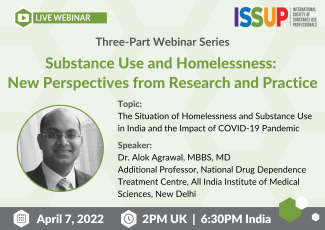
The Situation of Homelessness and Substance Use in India and the Impact of COVID-19 Pandemic
ISSUP are pleased to present the Final Event in the Webinar Series on Substance Use and Homelessness: New Perspectives from Research and Practice.
Ecolink Alumnis honor global trainers as outstanding Women of the Year on Women’s day.
Mangalore, India: Ecolink Alumni Association with over 200 students from 18 countries honored its Master trainers who trained over 250 addiction...

Medication treatment for opioid use disorder (OUD) (MOUD; buprenorphine and methadone) reduces opioid use and overdose. Discontinuation of MOUD can quickly lead to relapse, overdose and death. Few persons who initiate...
Background
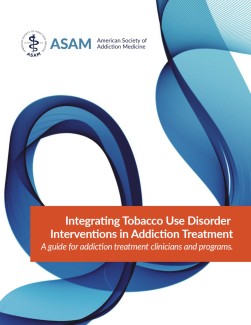
Between 65-87% of patients in addiction treatment smoke tobacco, compared to about 21% of the general population. These high rates of tobacco use contribute to significant patient suffering and early death. Over 53% of people...
To determine whether participation in the United Nations Office on Drugs and Crime (UNODC) and the World Health Organization’s (WHO) Stop Overdose Safely (S-O-S) take-home naloxone training project in Kazakhstan...
Substance use disorder (SUD) is common among victims of sex trafficking. Traffickers may exploit individuals' existing opioid use or other SUDs to coerce them into sex trafficking, or they may facilitate substance use to keep trafficking...
Animal models of alcohol (ethanol) self-administration are crucial to dissect the neurobiological mechanisms underlying alcohol dependence, yet only a few of these induce pharmacologically relevant levels of alcohol consumption...
Reduced inhibitory control and a hypersensitivity to reward are key deficits in drug dependents; however, they tend to be studied in isolation. Here, we seek to understand the neural processes underlying control over reward and...
Although previous research in alcohol dependent populations identified alterations within local structures of the addiction ‘reward’ circuitry, there is limited research into global features of this network, especially in early...