All Resources for 'Community-Based Recovery and Treatment'

The prevalence of people who inject drugs among those with HIV late presentation: a meta-analysis

Publication Date
Format
Scientific article
Themes
Treatment
Treatment Settings
Populations
Men
Quality Assurance
Data

Early detection of Acquired Immune Deficiency Syndrome allows infected people to use prophylaxis against opportunistic infections and beginning immediate treatment for secondary complications. People who receive treatment benefit from...

Daily cannabis use during the novel coronavirus disease (COVID-19) pandemic in Canada: a repeated cross-sectional study from May 2020 to December 2020

Publication Date
Format
Scientific article
Themes
Populations
Family

The novel coronavirus disease (COVID-19) pandemic has resulted in substantial burden of disease in Canada. Daily cannabis use is most strongly implicated in the cannabis-attributable burden of disease. In the context of the novel...

What constitutes effective problematic substance use treatment from the perspective of people who are homeless?

Format
Scientific article
Themes
Treatment
Treatment Settings
Addiction
Populations
Women
Public Health
Mental Health

Despite people who are homeless experiencing higher rates of substance use, individuals face barriers when trying to access and engage with treatment services.

This systematic review and meta-ethnography explores the view of effective...

Alcohol related thiamine deficiency

Publication Date
Format
Book
Themes
Treatment
Treatment Settings
Recovery Support
Public Health
Thiamine, also known as vitamin B1, is an essential nutrient used by the body to convert food into energy. Thiamine deficiency, although rare in most developed countries, is common in people who drink excessive amounts of alcohol.

Therapeutic community-oriented day treatment program for Korean women with alcohol use disorder: A non-randomised pilot feasibility trial

Publication Date
Format
Scientific article
Themes
Treatment
Treatment Settings
Populations
Women
Abstract
Background

The prevalence of alcohol use disorder (AUD) among women in South Korea has been rising, causing public health problems. Yet women’s treatment needs are mostly unmet in South Korea due to the lack of women-focused...

Outcomes After Implementation of a Benzodiazepine-Sparing Alcohol Withdrawal Order Set in an Integrated Health Care System

Publication Date
Format
Scientific article
Themes
Treatment
Treatment Settings
Populations
Men
Abstract

Importance  Alcohol withdrawal syndrome (AWS) is a common inpatient diagnosis managed primarily with benzodiazepines. Concerns about the adverse effects associated with benzodiazepines have spurred interest in using benzodiazepine...

Global, regional, and national prevalence estimates of physical or sexual, or both, intimate partner violence against women in 2018

Publication Date
Format
Scientific article
Themes
Populations
Women
Summary
Background

Intimate partner violence against women is a global public health problem with many short-term and long-term effects on the physical and mental health of women and their children. The Sustainable Development Goals (SDGs...

Prevalence and associations of metabolic syndrome in patients with alcohol use disorder

Publication Date
Format
Scientific article
Themes
Treatment
Treatment Settings
Populations
Women
Abstract

Excessive alcohol consumption has been associated with different components of the metabolic syndrome (MetS) such as arterial hypertension, dyslipidemia, type 2 diabetes or obesity. We aimed to analyze the prevalence and...

Bridging the Gap between the Pressing Need for Family Skills Programmes in Humanitarian Settings and Implementation

Publication Date
Format
Scientific article
Themes
Populations
Family
Indigenous Populations, Older Adults and Refugees.
Refugees
Public Health
Partner Organisation
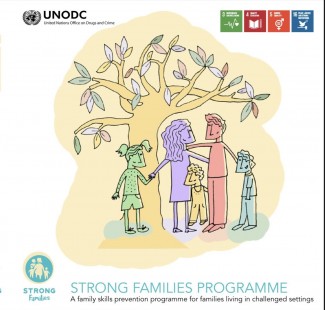
A supportive environment with nurturing caregivers is essential for the healthy development of children. For children who have been exposed to extreme stress, such as humanitarian contexts, the need for strong, healthy, nurturing caregiver relationships may assume even greater importance. The Strong Families programme, a UNODC family skills intervention, is presented as an example of an intervention that aims to bridge this gap of interventions that meet the need for humanitarian and contexts of extreme stress.

Risk of psychosis in illicit amphetamine users: a 10 year retrospective cohort study

Publication Date
Format
Scientific article
Themes
Treatment
Treatment Settings
Populations
Women
The illicit use of amphetamines, the stimulants commonly known as ‘speed’, is linked to a 5-fold heightened risk of psychosis, finds a 10 year study published online in the journal Evidence-Based Mental Health.