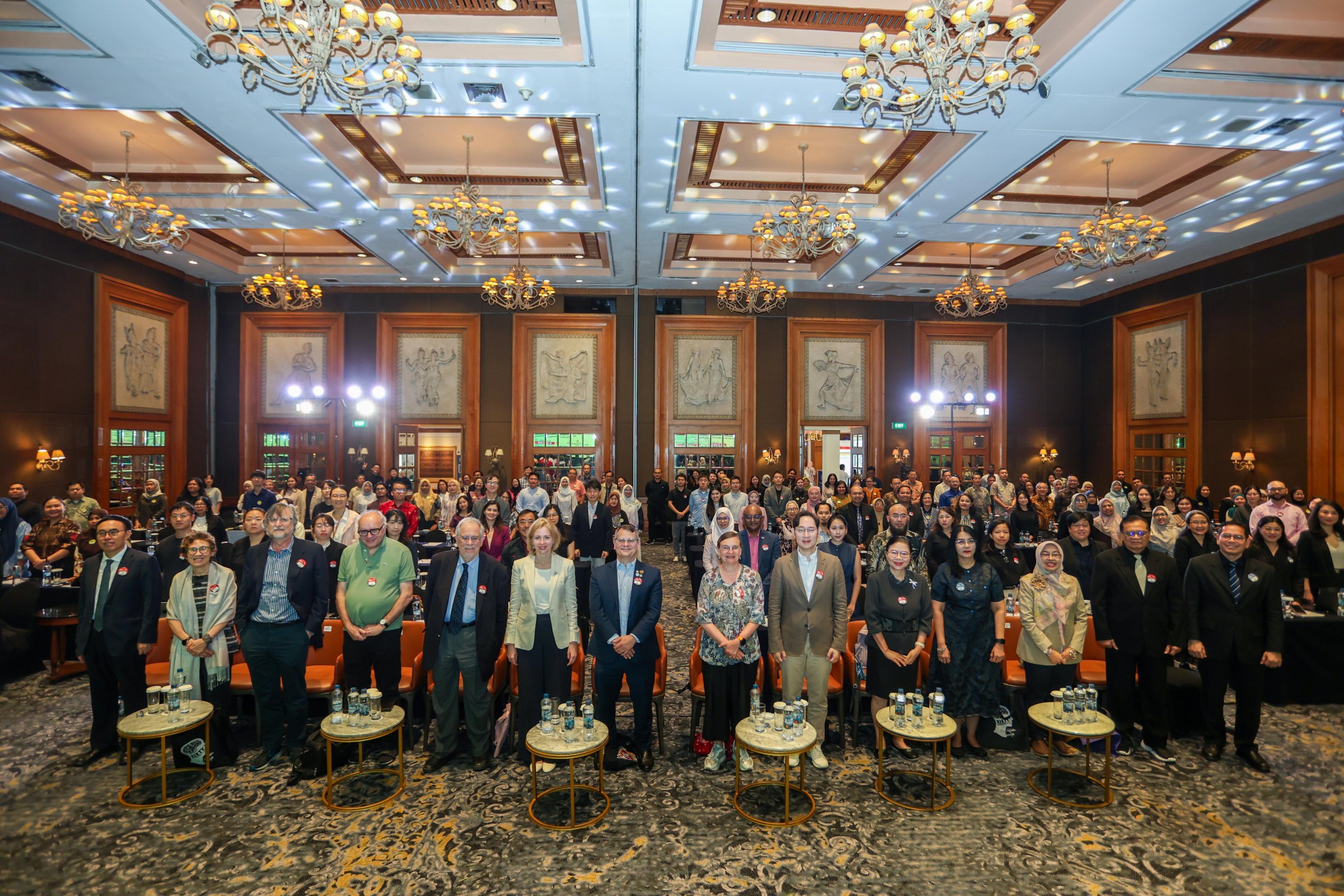
The ISSUP Symposium was held on 1 August 2026 in Jakarta, Indonesia, as part of the Asia Pacific Society for Alcohol and Addiction Research (APSAAR) Congress. Hosted by ISSUP Indonesia, the session highlighted initiatives to strengthen the substance use workforce through collaboration, accessible training and evidence-informed practice and initiatives.
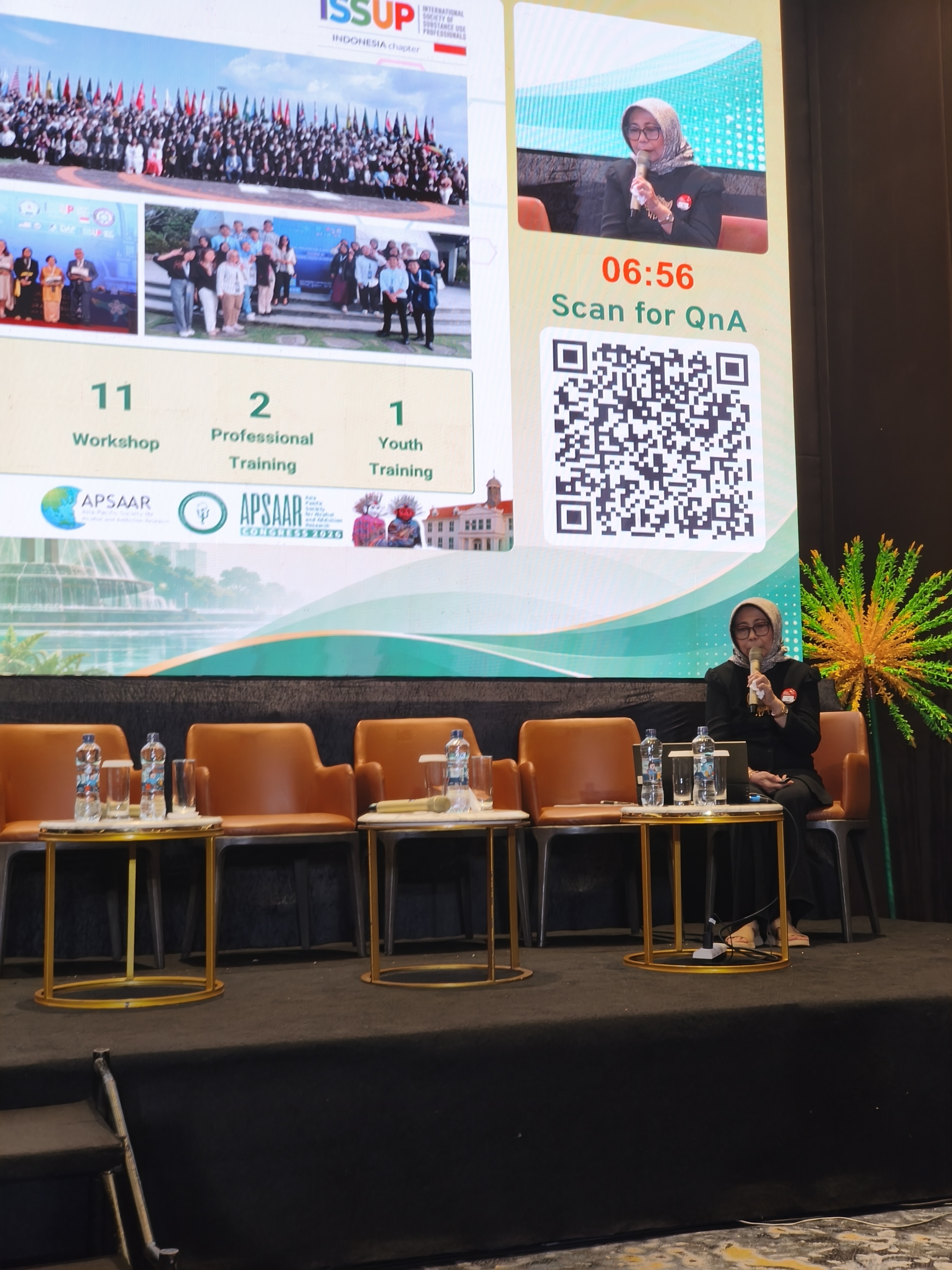
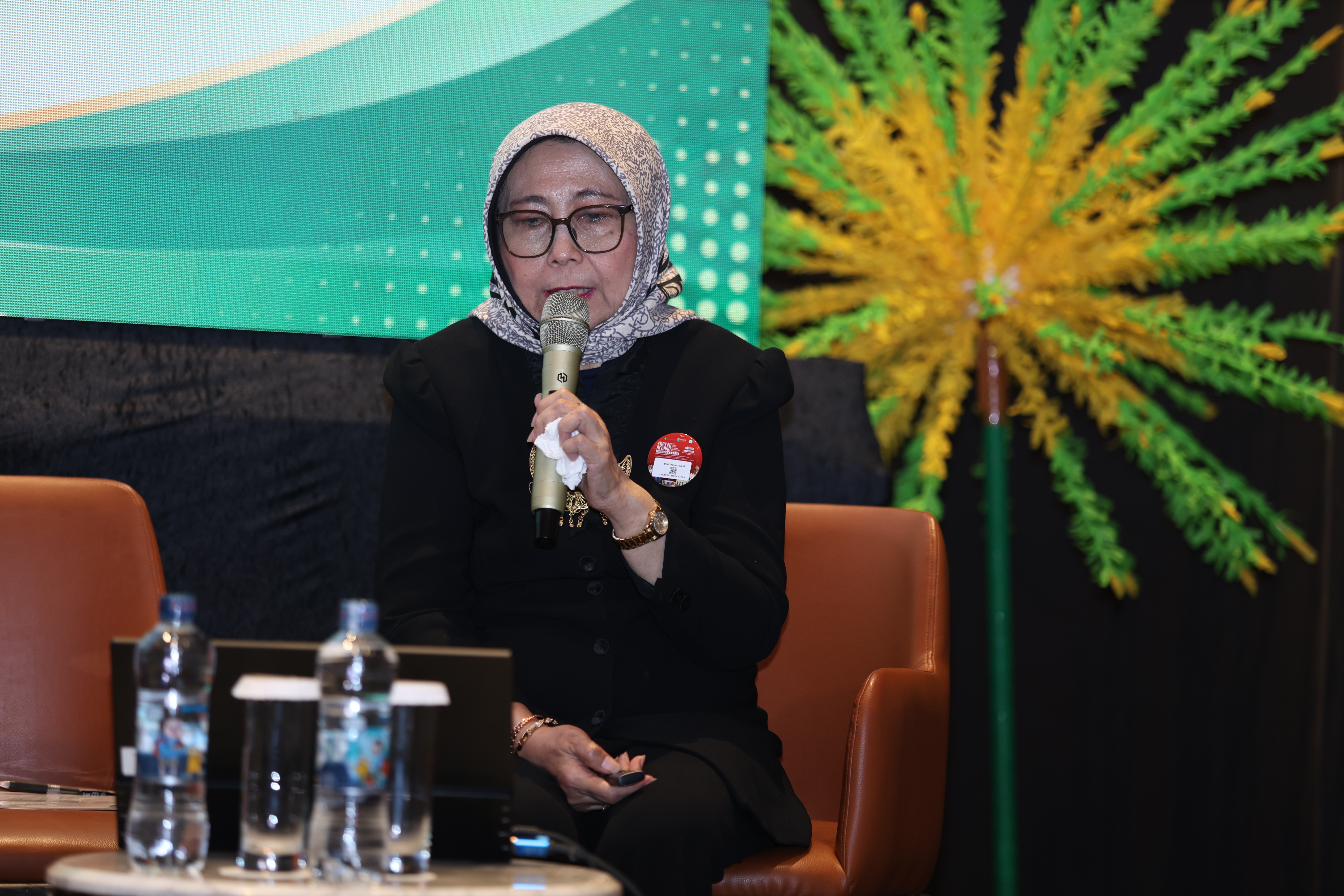
Dr Diah Setia Utami, Director of ISSUP Indonesia, opened the symposium with a presentation on strengthening the addiction workforce through multisectoral collaboration. Drawing on an organisational case study covering 2019-2025, she described how ISSUP Indonesia has strengthened its governance, expanded strategic partnerships and supported continuous professional development across government institutions, universities, healthcare services, professional associations, civil society and international organisations.
By 2026, ISSUP Indonesia had approximately 1,400 members. The National Chapter has delivered more than 20 webinars and four professional training programmes and hosted the 2025 ISSUP Regional Conference, which attracted approximately 550 participants from over 50 countries. Its experience demonstrates the importance of collaborative governance, professional networking and organisational capacity.
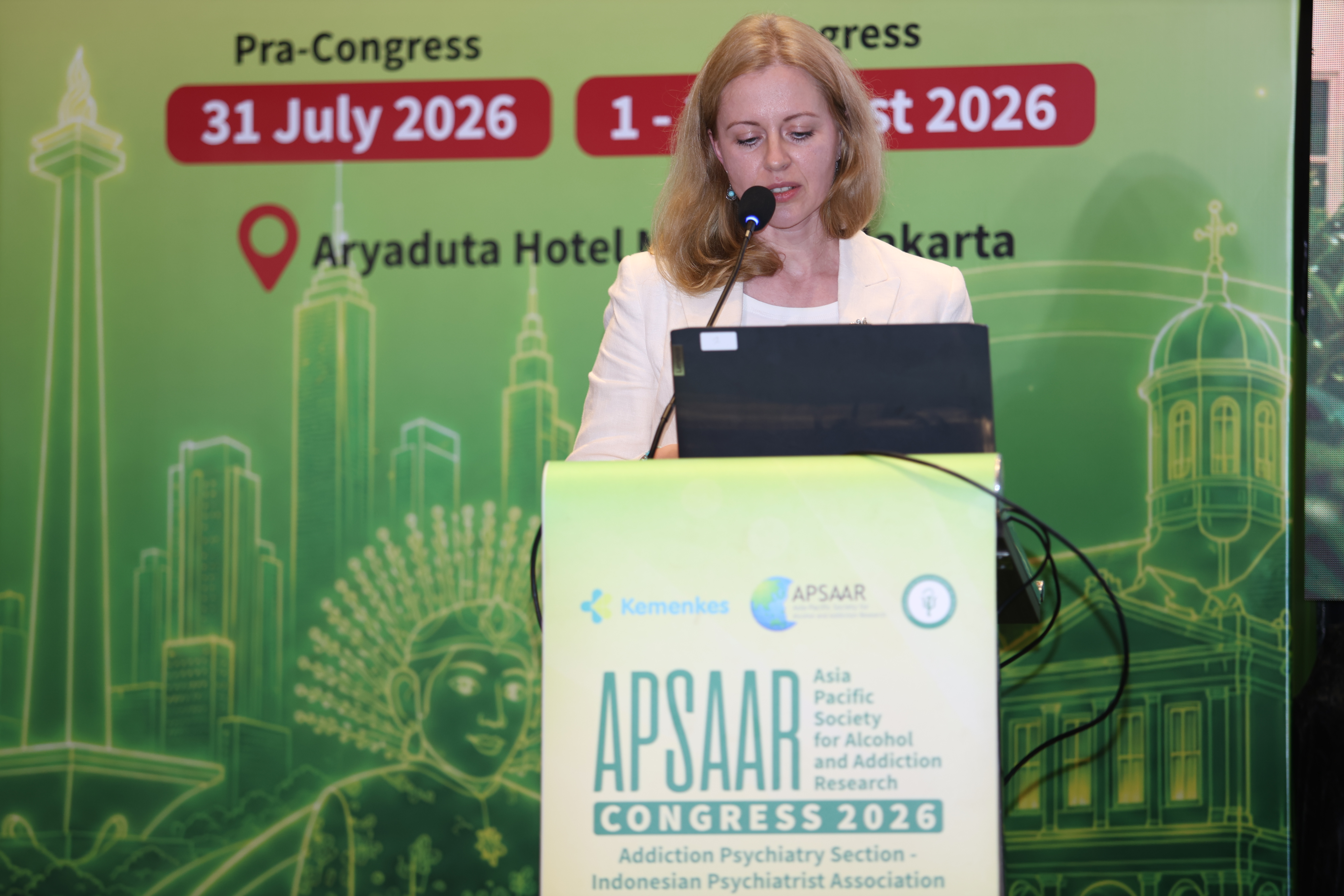
Dr Olha Myshakivska, ISSUP National Chapters Coordinator, provided an overview of ISSUP’s global work in four strategic areas: digital knowledge exchange, training, National Chapters and events. She highlighted ISSUP’s expanding digital platform, which offers free access to evidence-informed resources, newsletters, podcasts, webinars and professional networks. Recent developments include the ISSUP Drug Data Hub, which brings together research resources, screening tools, and national and regional drug observatories, as well as the web-based version of the ASSIST screening instrument. As of June 2026, ISSUP connected more than 52,000 members worldwide, including over 18,000 across Asia.
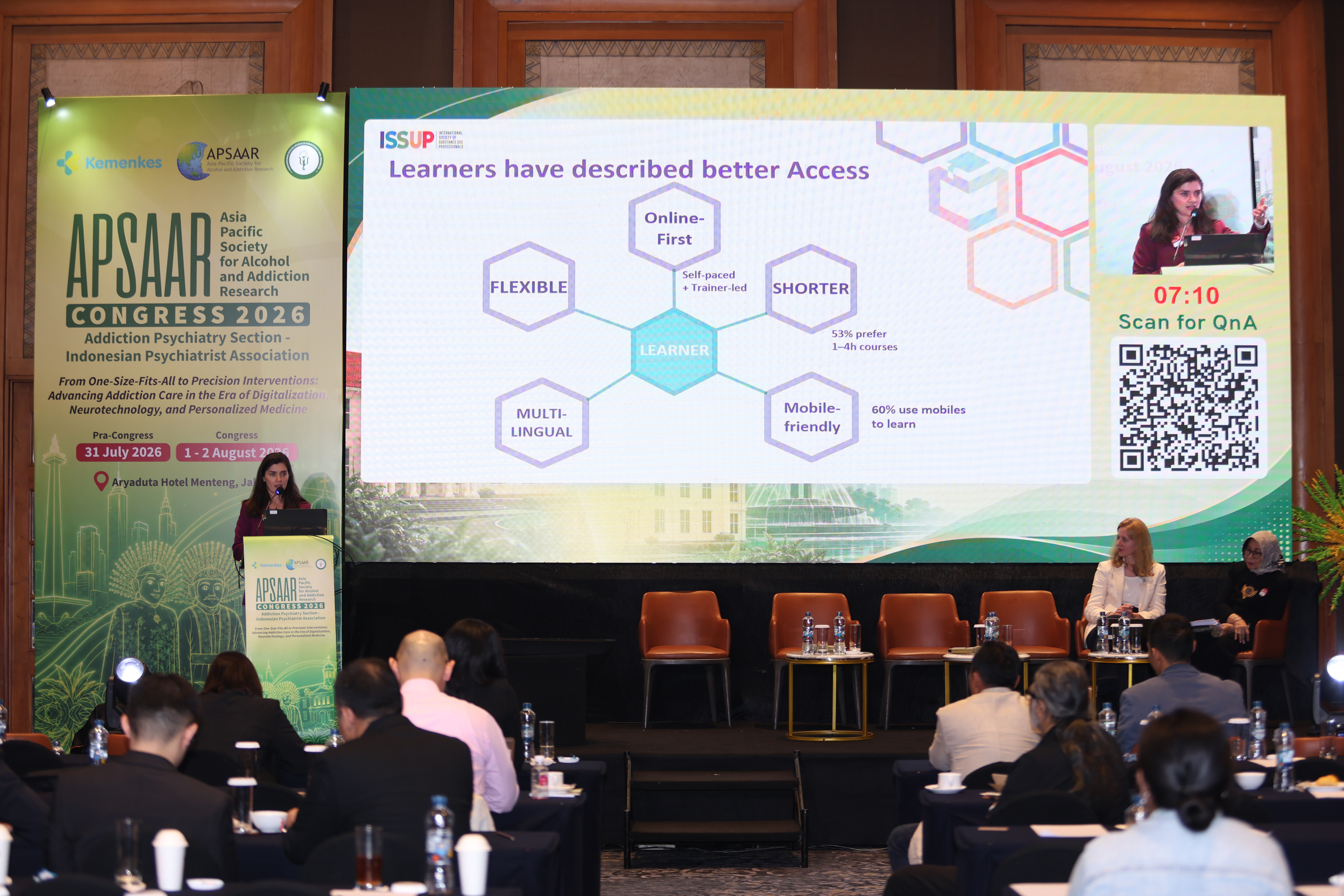
Dr Hala Najm, representing ISSUP’s Scientific Support and Training teams, presented the development of ISSUP Academy, the organisation’s new learning platform. Findings from 2025 Training Needs Assessment, which included responses from 78 countries, showed that learners value ISSUP’s evidence-based training but need it to be more accessible, practical, multilingual, flexible and formally recognised. ISSUP Academy aims to address this access gap by transforming trusted training content into shorter, mobile-friendly and applied learning pathways supported by recognised credentials.
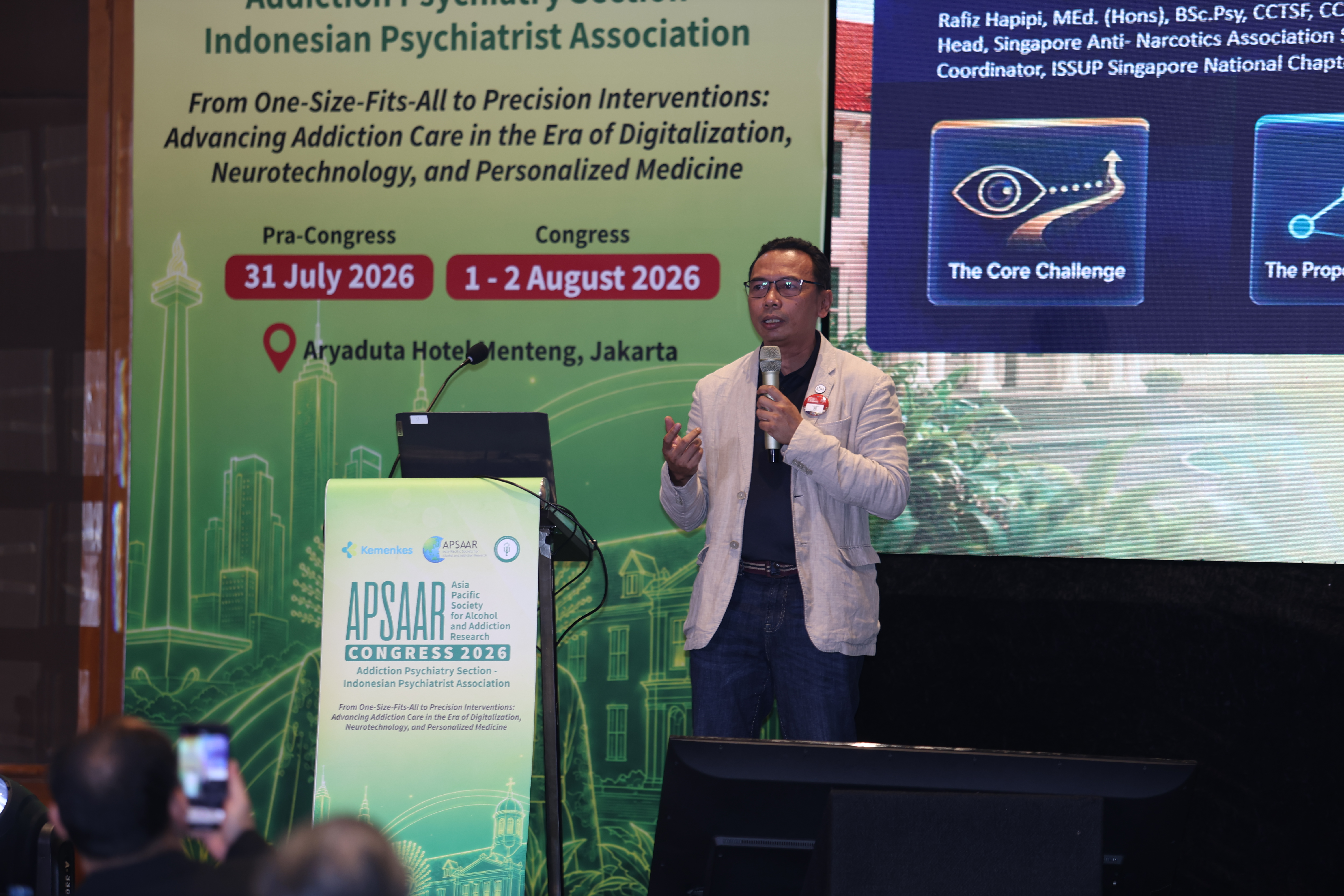
Mr Rafiz Hapipi of ISSUP Singapore introduced the Resilience S.T.E.P.S. Framework, or R-STEPS, a purpose-driven continuum of care supporting the transition from recovery to resilience. The framework uses the Resilience Observation Window and the four dimensions of mental toughness-control, commitment, challenge and confidence-to identify strengths and monitor progress. Through three developmental phases - Subtraction, Addition and Multiplication it supports individuals in moving from stabilisation towards becoming citizen-leaders.
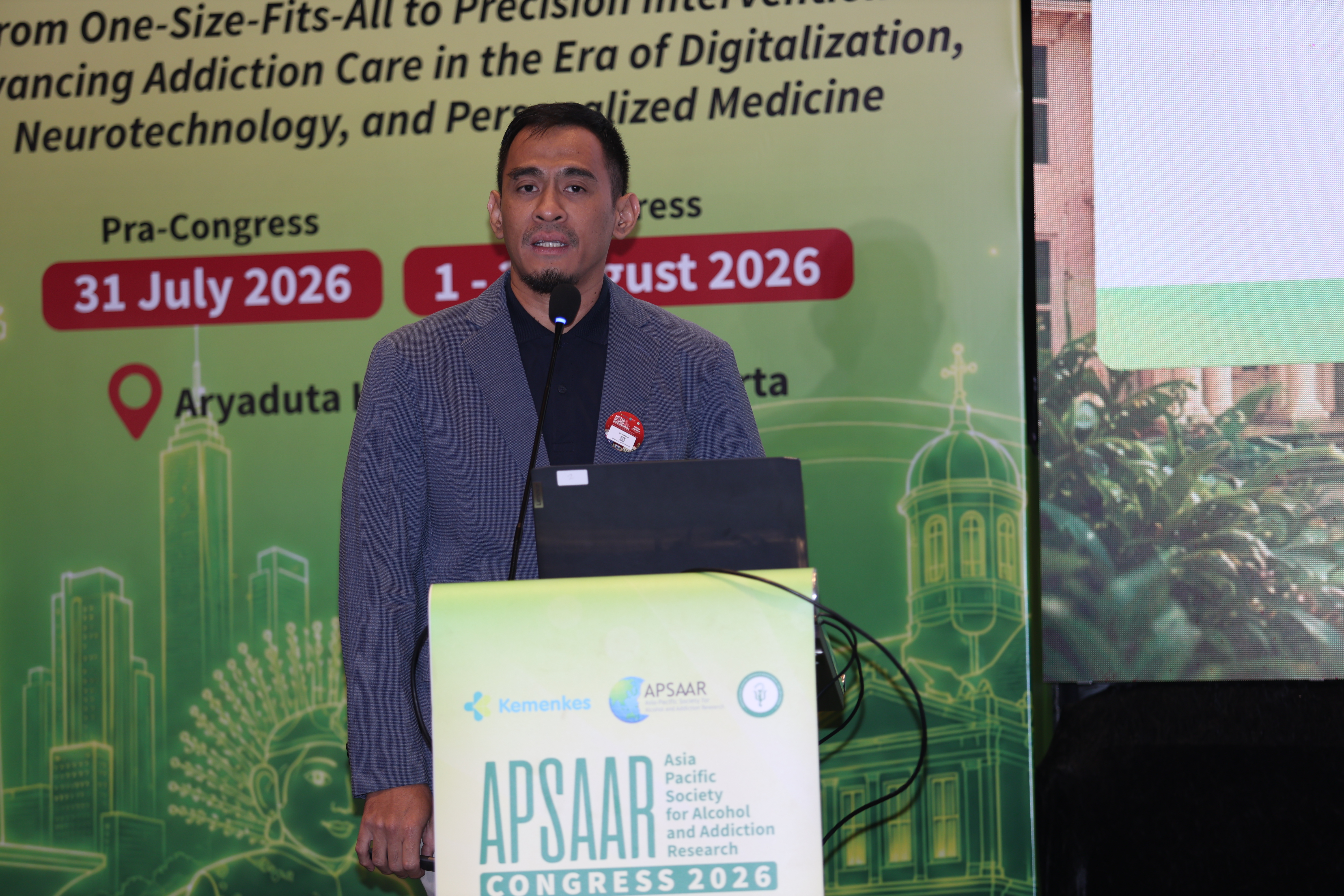
Mr Erry Wijoyo presented an initiative to integrate the Universal Curriculum for substance use prevention and treatment into university learning systems. The presentation highlighted curriculum adaptation as a strategic approach to professionalising the workforce and creating standardised, sustainable education pathways. Key recommendations included aligning the curriculum with university policies, strengthening national and international collaboration between universities, securing government support and expanding access to recognised certification for graduates.
Together, the presentations demonstrated how professional networks, digital innovation, academic partnerships and accessible training can contribute to a stronger, more sustainable and evidence-informed workforce across Asia and globally.
Gallery