ISSUP Tanzania, inaandaa semina mtandaoni kuhusu Tiba Inayosaidiwa na Madaktari kwa Matatizo ya Matumizi ya Opioidi: Nafasi ya Mashirika ya Jamii ya Kiraia
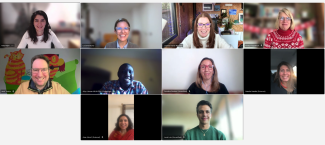
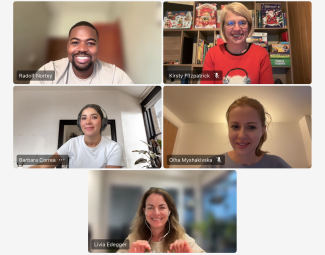
A new chapter in training has begun at ISSUP. A new Training Team has been formed with the goal of improving the accessibility and relevance of ISSUP’s training, while ensuring it reflects the learning needs of members worldwide.
In the early months of its work, the team carried out a training needs assessment to better understand members’ online learning needs. At the same time, the team engaged with several Learning Management System (LMS) providers to explore options for a new platform that supports accessible, high-quality learning. The proposals received are now being reviewed.
Admase et al. Substance AbuseTreatment, Prevention, and Policy (2025) 20:43 https://doi.org/10.1186/s13011-025-00660-y
Background
Stigma related to drug use is a well-documented barrier to engaging and remaining on medication for opioid use disorder (MOUD), yet little is known about how stigma operates across multiple social and institutional settings in low-resource contexts.
Methods
This qualitative study draws on 40 in-depth interviews with current and former MOUD clients and four focus groups with 35 current clients at an opioid treatment clinic in Dar es Salaam, Tanzania. Transcripts were thematically analyzed to explore how stigma influenced MOUD adherence and retention.
We’re excited to share that ISSUP has successfully launched the pilot of the Investing in Evidence-Based Prevention (IEP) Workshop, attended by 18 participants from 17 countries. The workshop was delivered in two online sessions, held on 14 and 21 August, bringing together policy-makers, decision-makers and funders.
The IEP workshop was developed by Jeff Lee, and Rachele Donini, together with the Scientific Support Team (SST). The pilot was delivered by Rachele Donini as trainer.
The first session, Introduction to Prevention Science, focused on the fundamentals of prevention...
Recovery is not a one-size-fits-all process—it is dynamic, multifaceted, and deeply individual. To truly support individuals on their recovery journey, practitioners must access tools, systems, and knowledge that reflect the realities of those they serve.
The WHO Global Status Report on Alcohol and Health and Treatment of Substance Use Disorders provides a comprehensive snapshot of global trends in alcohol consumption, related harms, and national policy responses, alongside the availability and quality of treatment services for alcohol and drug use disorders.
Key Highlights:
Presents the latest data from WHO Member States, aligned with SDG Health Target 3.5: “Strengthen prevention and treatment of substance abuse, including narcotic drug abuse and harmful use of alcohol.”
Offers updated insights on global alcohol consumption patterns...
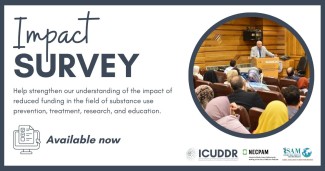
This survey is a collaborative effort by ICUDDR, NECPAM and ISAM. Together, we are trying to assess the impact recent reductions in funding have had to the workforce of fields dealing with substance use related issues.
ISSUP-KENYA in partnership with Mshauri Therapy Hub and Pro Care, is organising the 2025 International "Mental Health Conference & Excursion" to be held in Kigali, Rwanda.*
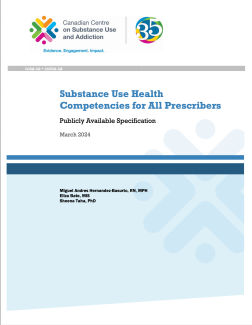
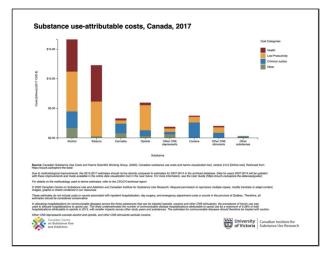
CSUCH’s data visualisation tool can be used to estimate substance use trends across the country. The data helps inform programs, practices, and research to protect communities, save lives, and improve the well-being of people in Canada.
Spotlight: Top 3 causes of death due to substance use in Canada
More than 200 people died each day due to substance use (SU) in 2020 (the latest year for which data are available). That works out to 73,994 deaths that year. The average age of death due to SU was 45 years. Tobacco use caused 63% (46,366) of SU-related deaths, followed by alcohol at 23%...
Addiction and obesity share similar neurological pathways, both linked to compulsive behaviors and the brain's reward system. Research has highlighted the potential of GLP-1 receptor agonists, originally developed for diabetes, to help manage both appetite and addictive cravings. These medications, such as semaglutide, may regulate addictive behaviors by influencing reward circuits in the brain. However, they come with potential side effects, and their long-term effects are still under investigation.
In addition, a new compound, 5-Methoxy-2-aminoindane (MEAI), is being researched for its...
Minggu ini, kami mengucapkan selamat tinggal kepada teman dan mentor kami yang baik, Jeff Lee, Direktur Eksekutif pendiri ISSUP. Jeff adalah pendukung teguh untuk profesionalisasi pencegahan, bersikeras bahwa mereka yang bekerja di bidang ini harus dikhususkan dengan tepat. Dia sering mengingatkan kita bahwa meskipun generalis dan spesialis perawatan bermaksud baik dan tertanam dalam komunitas mereka, mereka tidak selalu berada di posisi terbaik untuk mengembangkan dan menerapkan sistem pencegahan berbasis bukti. Jeff menekankan bahwa pencegahan harus diperlakukan sebagai ilmu yang berbeda...
Tim Bab Nasional mengadakan pertemuan virtual 2 hari yang penting dari 10 – 11 Desember 2024 untuk mengevaluasi model operasional saat ini untuk Bab Nasional dan mengidentifikasi peluang untuk peningkatan dan pertumbuhan. Pertemuan itu dijuluki 'Pertemuan Visi' untuk mencerminkan agenda inti: Menyusun rencana berwawasan ke depan untuk Cabang Nasional ISSUP.
Komisi Uni Afrika (AUC) telah mengadakan konsultasi kontinental tahunan untuk Pengurangan Permintaan Obat (DDR) sejak 2015. Negara-negara anggota AUC masing-masing diwakili oleh titik fokus nasional DDR masing-masing, yang memungkinkan negara-negara anggota kesempatan untuk mempresentasikan kegiatan DDR nasional dalam platform peer-review yang juga memungkinkan keterlibatan dengan para ahli materi pelajaran yang diundang. Konsultasi tahun ini diadakan di Arusha, Tanzania dari 10-13 Desember 2024, dan termasuk Pemimpin Tradisional dari Afrika Selatan. Tema konsultasi tahun ini adalah...
The Global Recovery Network is committed to providing valuable and relevant content for our community.
To ensure our upcoming webinar series aligns with the needs and interests of our audience, we have developed this survey with U.S. based Faces and Voices of Recovery to determine which topics may be of most relevance. Our goal is to offer webinars that not only inform but also develop and build skills that support recovery, advocacy, and professional growth.
Your feedback is crucial in helping us design a webinar series that resonates with and benefits you.