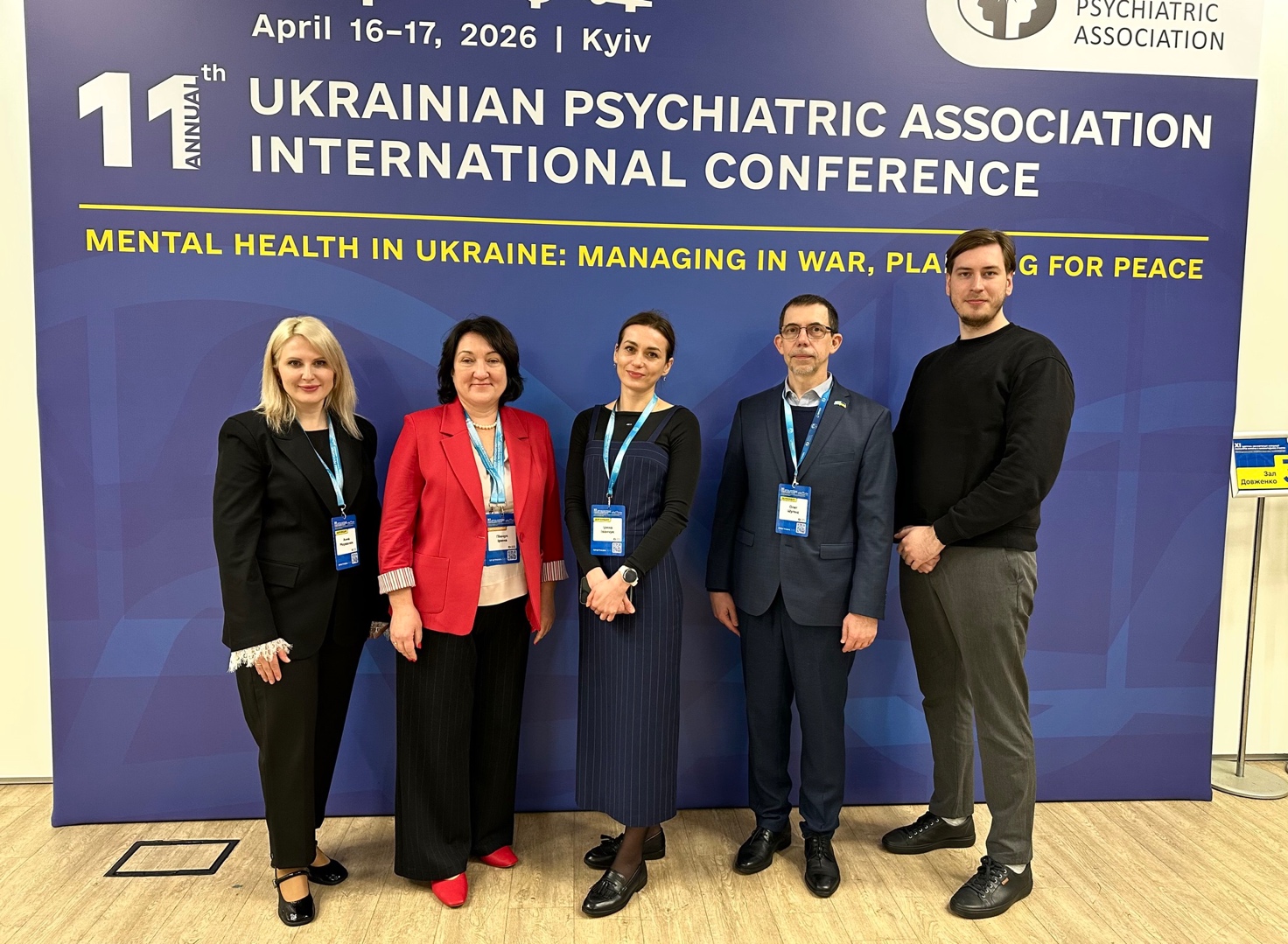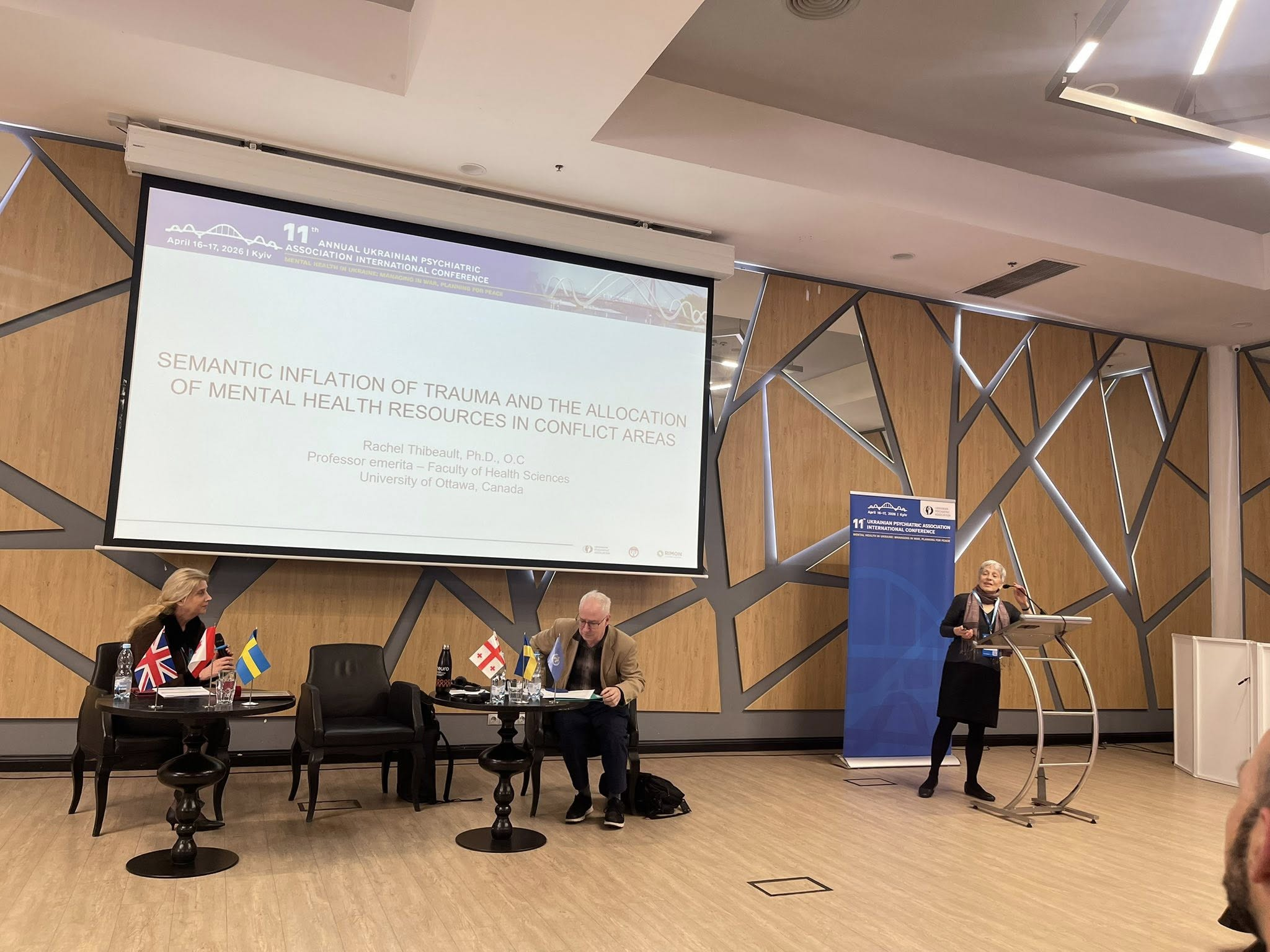
On April 16–17, the 11th Annual Conference of the Association of Psychiatrists of Ukraine, titled “Mental Health in Ukraine: Governance in Times of War, Planning for Peace,” took place in Kyiv.
This year, the Association, founded by Semen Gluzman, celebrates its 35th anniversary - an important milestone for the development of Ukraine’s mental health system.
The conference was co-organized by the Institute of Psychiatry at Taras Shevchenko National University of Kyiv, which hosts ISSUP Ukraine.
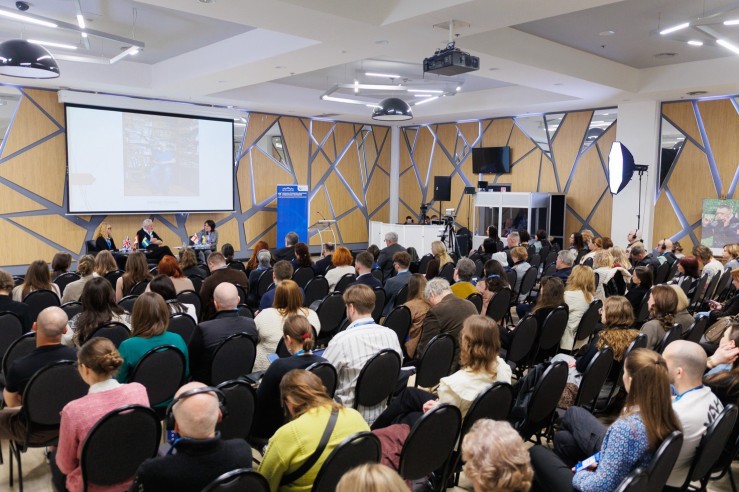
The event brought together around 400 professionals from across Ukraine, along with international experts from the Netherlands, Canada, the United Kingdom, and Sweden. It created a valuable space for sharing knowledge, experience, and ideas across different fields.
Representatives of key national institutions also took part, including the Ministry of Veterans Affairs of Ukraine, the Public Health Center of the Ministry of Health of Ukraine, the Penitentiary Service of the Ministry of Justice of Ukraine, and the Ministry of Social Policy of Ukraine.
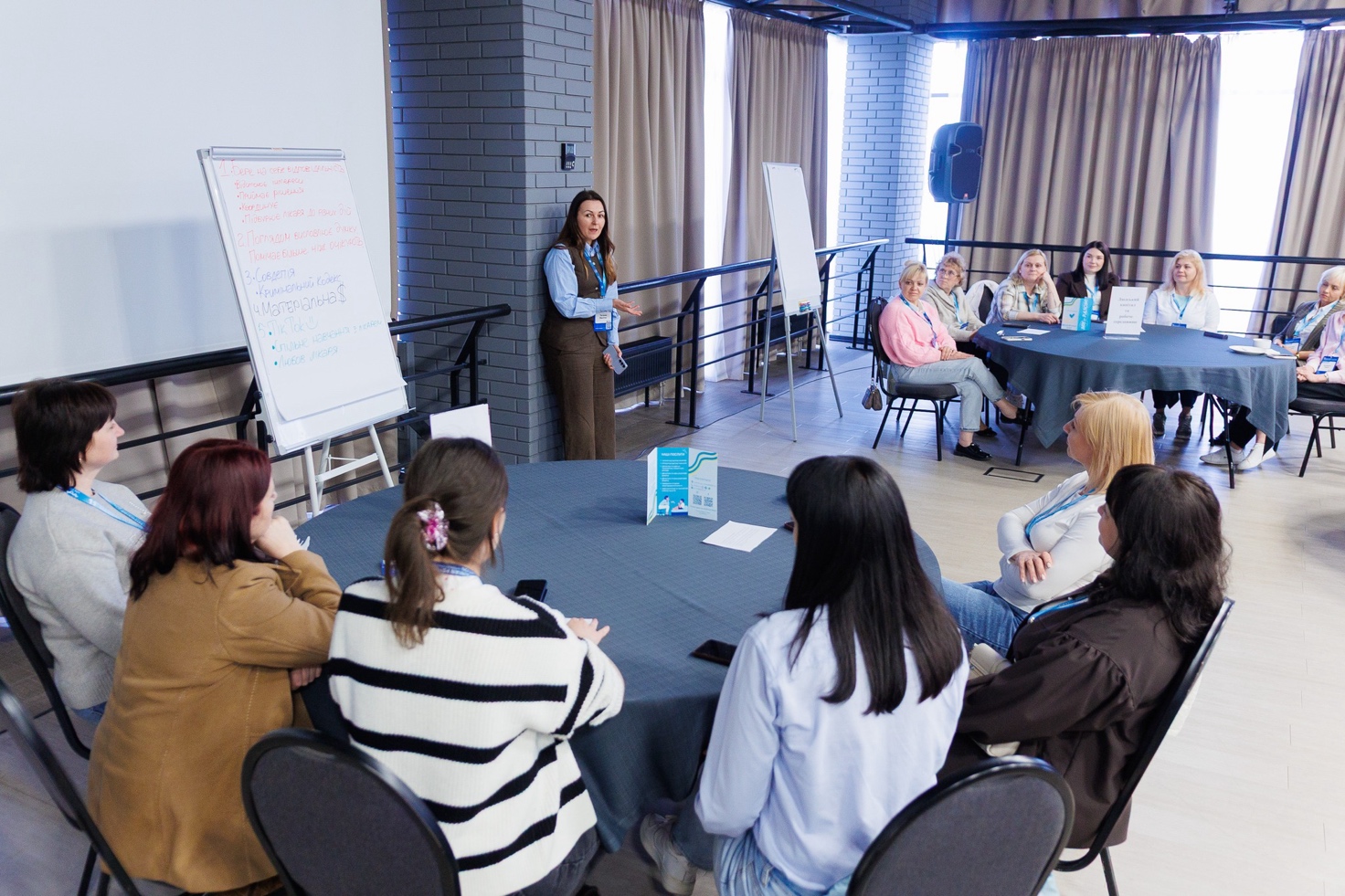
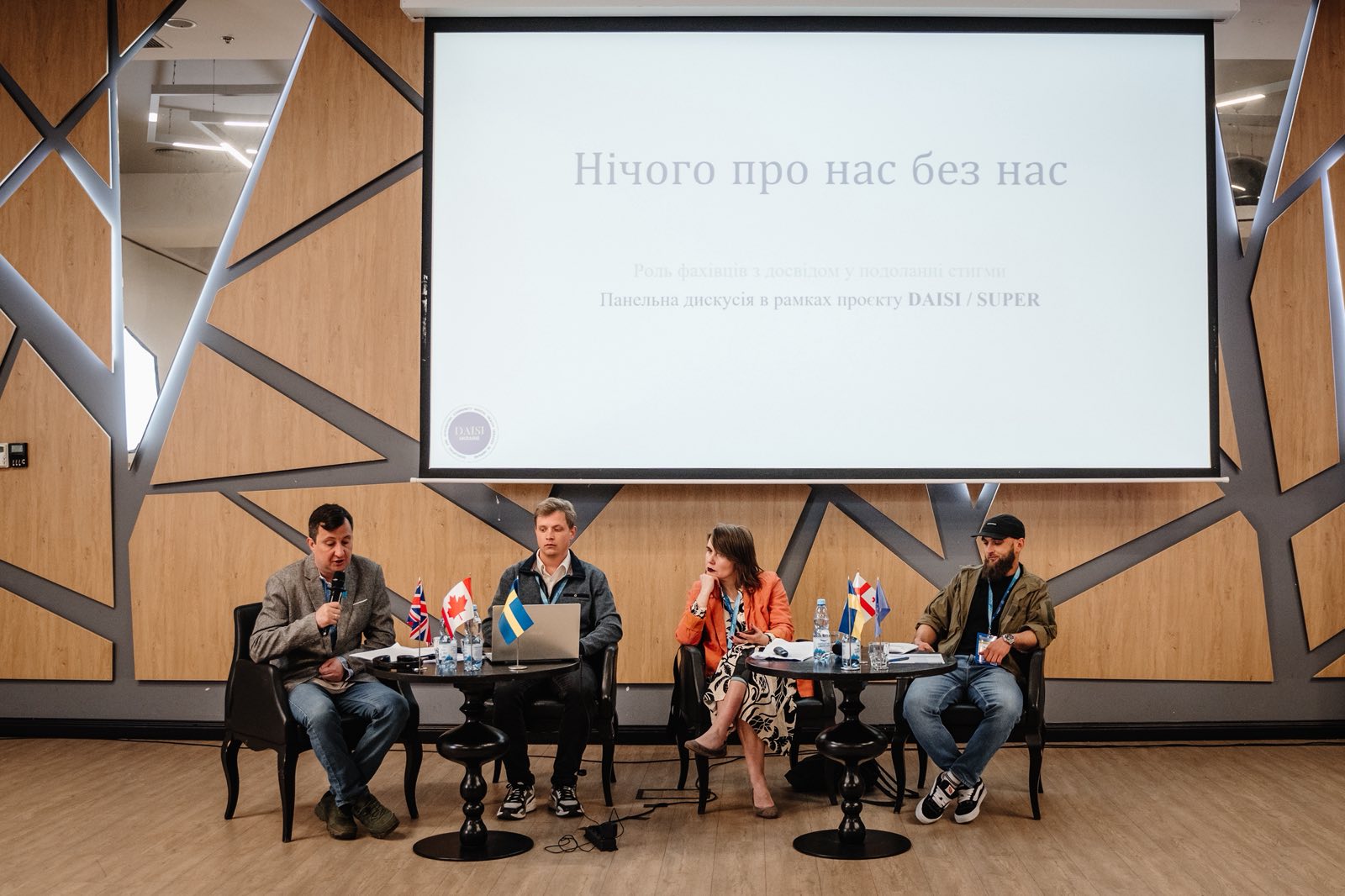
The program included three plenary lectures, three panel discussions, and practical workshops on art therapy, motivational interviewing, and the treatment of resistant depression.
A separate symposium focused on addiction and was organized jointly by the Public Health Center and the WHO Office in Ukraine. During this session, participants were introduced to the national model for organizing care for people who use substances and those with disorders related to the use of psychoactive substances.
This model provides clear, practical guidance for professionals working in healthcare, social services, and administration. It supports the delivery of care for people with mental and behavioral disorders related to substance and alcohol use. The model is flexible and can be adapted to the needs of different communities across Ukraine. It is designed for use both in peacetime and during crises, and it is based on scientific evidence and respect for human rights.
Gallery