New from SAMHSA: Medications for Opioid Use Disorders
SAMHSA has released a new publication as part of the Treatment Improvement Protocol series.
Naphthalen-1-yl-(1-pentylindol-3-yl)methanone (JWH-018) is a synthetic compound found in psychoactive “spice” products that activates cannabinoid receptors. Preclinical evidence suggests that exposure to synthetic cannabinoids increases 5...
Abstract:
Introduction: Worldwide, binge drinking of alcohol has increased, especially among young people. In Mexico, various epidemiological sources allow us to account for the growth this pattern of consumption has had. Given this...
Objectives: Hazardous drinking could negatively affect health and lead to alcohol use disorders, but it is unclear how hazardous drinking affects treatment outcomes of depression and anxiety and stress-related mental health...
The aim of this guide is to facilitate the understanding of the problem of adolescent substance use, as well as present practices based on clinical evidence more effective guidance and intervention with this population.
The guide is...
The current lack of pharmacological treatments for cannabis use disorder (CUD) warrants novel approaches and further investigation of promising pharmacotherapy. We previously showed that nabiximols (27 mg/ml Δ9...
Considerable variation of outcome variables used to measure recovery in the gambling treatment literature has precluded effective cross-study evaluations and hindered the development of best-practice treatment...
Incidence of neonatal abstinence syndrome (NAS) is increasing due to the rise in opioid use. Rural states like Kentucky have been disproportionally impacted by opioid abuse, and this study determines NAS burden...
Although cannabis use is federally prohibited, medical cannabis is legal in some form in 30 states and the District of Columbia, and recreational use is legal in 8 states and the District of Columbia. The increasing legal...
Background: Applying theory to the design and evaluation of interventions is likely to increase effectiveness and improve the evidence base from which future interventions are developed, though few interventions report this.
Obje...
Drug-based treatments dominate opiate addiction treatment but are far from universally accepted. Referring to chemical ‘solutions’ to addiction, the ‘bite’ commentary on this cell ends with the “curious possibility that precisely because a...
Mental, neurological and substance (MNS) disorders are very common and represent a large burden of disease and disability around the world. There remains a wide gap between the capacity of health systems and resources, between what is...
This is the second version (2016) of the mhGAP Intervention Guide (mhGAP-IG) for mental, neurological and substance use (MNS) disorders in non-specialist health settings. It is for use by doctors, nurses, other health workers as...
In 2009, Mexico reformed its health law to partially decriminalize drug possession considered for personal use and to increase mandatory referrals to certified drug rehabilitation centers in lieu of incarceration...
This document responds to the need to have tools that are standardized for the comprehensive management of alcohol withdrawal syndrome in clinical practice. The working group that developed this document was based on the clinical practice...
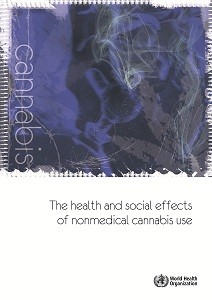
Cannabis is globally the most commonly used psychoactive substance under international control. In 2013, an estimated 181.8 million people aged 15-64 years used cannabis for nonmedical purposes globally (UNODC, 2015). There is an...
Through a simulation study, we estimated the potential effects of better detection of hypertension and improved screening for alcohol problems with subsequent interventions. Results showed that if 50% of Spanish males between 40...
The potential benefits that can lead to an improvement in the detection and treatment of high blood pressure and alcohol-related problems are studied through a simulation. The results show that if Spanish 50% of men between 40 and...
Dementia is a prevalent condition, affecting 5–7% of people aged 60 years and older, and a leading cause of disability in people aged 60 years and older globally. We aimed to examine the association between alcohol use...
Guide to clinical advice for treatment and rehabilitation programs in drugs in specific population of adult women.
Are you an ISSUP member? If not, you can join ISSUP by registering here: https://www.issup.net/membership/apply
Are a part...