Highlights from WeCare’s Early-Year Gathering on Mental Health and Addiction Support
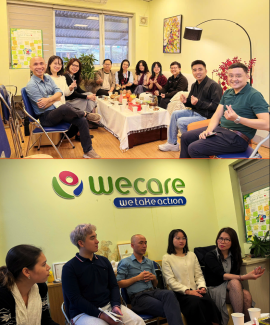
On February 27, 2026, WeCare Social Enterprise convened a professional gathering at Hanoi Medical University, bringing together practitioners from across Vietnam’s mental health and substance use field. Alongside the organizers, the group included representatives from
Center for Training and Research on Substance Abuse -HIV (CREATA-H), Hanoi Medical University, and Center of Research and Inclusive Development Action (IDEA), as well as members of ISSUP Vietnam. Attendees ranged from university lecturers and clinicians to therapists, counselors, and community partners working in clinical psychology, social work, and substance use prevention and treatment.
A notable feature of the meeting was the strong presence of early-career professionals, recent graduates, and young practitioners entering a field that is both complex and increasingly urgent in Vietnam.
The gathering provided a moment to reflect on the past year of clinical work - its pressures, progress, and incremental gains - while strengthening professional ties. In a collegial setting, participants engaged in candid discussions grounded in frontline experience. Much of the conversation focused on the challenges of delivering services in local communities, where socioeconomic disparities and uneven access to care continue to shape outcomes.
One recurring theme was the need to better understand how communities - especially young people - perceive substance use. Participants emphasized that the youth population in Vietnam remains particularly vulnerable, and that prevention and intervention efforts must be grounded in a clear understanding of their perspectives to ensure responses are both effective and culturally appropriate.
They also underscored the importance of early intervention and the need to expand services without diluting quality, particularly for underserved and at-risk populations. There was broad agreement that substance use disorders cannot be addressed in isolation. Effective responses, participants said, must integrate prevention, treatment, interventions geared towards reducing harms associated with substance use, and long-term recovery support within a coordinated, evidence-based framework.
The presence of ISSUP Vietnam members highlighted the field’s ongoing push toward professionalization. Through training, research and knowledge-sharing, the network is helping to strengthen practitioner capacity and encourage collaboration across sectors. Participants pointed to partnerships among local organizations and international networks as critical to improving the overall response.
By the end of the meeting, participants expressed a shared sense of momentum. Senior practitioners are expected to take on a larger mentoring role, helping younger colleagues navigate the gap between academic training and real-world practice. At the same time, there was a commitment to translating clinical experience into research and shared resources - an effort aimed at strengthening national capacity while contributing to the global conversation on evidence-based mental health and substance use care.