
La matrice del rischio: decessi correlati alla droga nelle carceri in Inghilterra e Galles, 2015-2020
Questo articolo esplora i fattori che contribuiscono alle morti legate alla droga nelle carceri inglesi e gallesi tra il 2015 e il 2020.
The article ‘Drug use and associated factors in a North Eastern region of Tanzania: a cross-sectional study’ published in the PanAfrican Medical Journal’ on 11/10/2022 by a number of authors coordinated by Dr Harrieth Peter and Castory...
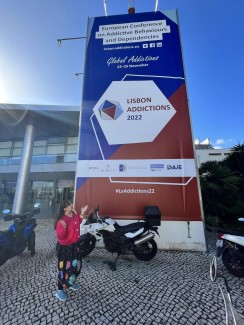
Durante il penultimo mese del 2022, dal 22 al 24 novembre, si è tenuta con successo una conferenza internazionale presso il Centro Congressi di Lisbona in Portogallo con la collaborazione di SICAD, OEDT e della Direzione portoghese...
La Giornata mondiale contro l'AIDS si svolge ogni anno a dicembre. Questo elenco di letture contiene un elenco di ricerche, pubblicazioni e risorse per i professionisti relative all'HIV/AIDS. Abbiamo anche una rete dedicata all'HIV e all...

L'integrazione delle cure relative all'HIV con il trattamento del disturbo da uso di sostanze offre l'opportunità di soddisfare meglio le esigenze delle persone che vivono con queste condizioni. Le persone con disturbo da uso di sostanze...
People with mental illness and/or SUD are disproportionally affected by HIV. They may participate in behaviours that increase risk for contracting and transmitting HIV, such as sharing injection drug equipment or...
Sharing needles, syringes, or other drug injection equipment—for example, cookers—puts people at risk for getting or transmitting HIV and other infections.
In addition to being at risk for HIV and viral hepatitis, people who inject drugs...
This summary page, developed by HIV info and NIH’s Office of AIDS Research, explores HIV and substance use.
The fact sheet addresses the following questions:
This side event for the 65th Commission on Narcotic Drugs was originally presented on 14 March, 2022. Organised by INPUD, it was co-sponsored by Médecins du Monde, UNAIDS, UNODC HIV/AIDS Section, the Netherlands and Australia.
In 2021...
La condivisione di apparecchiature per l'iniezione di droghe aumenta il rischio di trasmissione e acquisizione di infezioni trasmissibili per via ematica, come l'HIV e l'epatite B e C. Sebbene l'epatite C sia l'infezione virale...
Dall'inizio dell'epidemia di HIV, l'attenzione sulla prevenzione, il trattamento e la cura dell'HIV tra le persone che fanno uso di droghe si è concentrata sulle esigenze delle persone che si iniettano droghe e principalmente su quelle che...
UNODC has put together summaries of the work that they are doing relating to Drug use and HIV.
Here, you can find out more about the work that UNODC has done relating to
Novel public health interventions are needed to address the toxic drug supply and meet the needs of people who use drugs amidst the overdose crisis. Safer supply – low-barrier distribution of pharmaceutical grade substances –...
La Canadian Community Epidemiology Network on Drug Use (CCENDU) è una rete pan-canadese di partner comunitari coordinata dal Canadian Centre on Substance Use and Addiction (CCSA). La rete ha sedi in British Columbia, Manitoba, Thunder Bay...
Questa miniguida fa parte di un insieme più ampio, che insieme comprende Salute e risposte sociali ai problemi della droga: una guida europea.
Fornisce una panoramica degli aspetti più importanti da considerare quando si pianificano o si...
A new systematic review and meta-analysis has found that alcohol-targeted brief interventions (short, structured, one-to-one conversations about drinking designed to motivate changes in risky behaviour) delivered in doctors’ offices and...

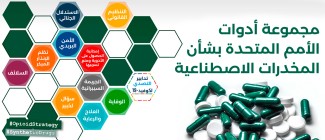
تدعم مجموعة أدوات الأمم المتحدة بشأن المخدرات الاصطناعية المجتمع الدولي في تنفيذ تدابير استجابة شاملة لمواجهة مشكلة المخدرات الاصطناعية.
وضعت مجموعة الأدوات استجابة لقراري لجنة المخدرات 8/61 (2018) و4/62 (2019) اللذين دعيا مكتب الأمم...
Si è tenuto il lancio del nuovo master "Consumo problematico di sostanze psicoattive da una prospettiva sociale e sanitaria".
Miriam Carrillo, Direttrice della Prevenzione presso i Centros de Integración Juvenil, A.C. (CIJ, acronimo...
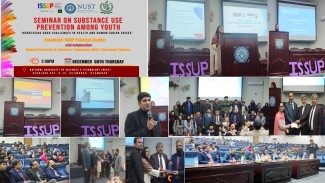
ISSUP Pakistan Chapter organized a seminar on "Substance Use Prevention Among Youth" following the theme "Addressing Drug Challenges in Health and Humanitarian Crises" in collaboration with TABA NUST SDG Student Hub NUST at the National...
Novel psychoactive substances (NPS) continue to pose challenges to law enforcement authorities, public health officers and policymakers as suppliers continuously adapt to control measures, thus remaining highly...